
The best decoradhouse renovation tips from decoratoradvice focus on careful planning, essential repairs, durable materials, functional layouts, and affordable improvements. Instead of changing everything at once, homeowners can often achieve better results by working in phases and solving practical problems before adding decorative finishes.
A successful renovation should make a home more comfortable, organized, safe, and easy to maintain. Attractive colors and stylish furniture matter, but they should not come before leaking pipes, damaged flooring, poor ventilation, unsafe wiring, or inadequate storage.
This guide explains how to plan a sensible renovation while avoiding expensive and unnecessary mistakes.
Why Planning Should Come Before Renovation
Many renovation problems begin before the work even starts. Homeowners may purchase furniture that does not fit, choose materials that are unsuitable for the room, or begin cosmetic work before repairing hidden damage.
Therefore, the first step should be a complete inspection of the home.
Check the condition of:
- Walls and ceilings
- Doors and windows
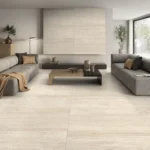
- Floors and tiles
- Plumbing fixtures
- Electrical outlets and switches
- Cabinets and storage units
- Lighting and ventilation
- Outdoor entrances and pathways
Write down every problem you notice. Then separate the list into urgent repairs, functional upgrades, and decorative changes.
For example, a leaking pipe should come before a new bathroom mirror. Likewise, a damaged electrical outlet should be repaired before new wall paint is applied.
Renovate One Area at a Time
Renovating the entire home at once can become expensive and difficult to manage. Instead, divide the project into smaller stages.
You might begin with the kitchen because it is used daily. Afterward, you could improve the bathroom, living room, bedrooms, or outdoor area.
Working room by room makes it easier to control expenses, monitor contractors, and keep part of the home usable during the renovation.
Create a Realistic Renovation Budget
A renovation budget should include more than the cost of paint, tiles, furniture, or appliances. Unexpected problems can appear after work begins, especially in older homes.
Divide the budget into clear categories:
| Budget Category | Possible Expenses |
| Repairs | Leaks, cracks, wiring, damaged flooring |
| Materials | Paint, tiles, wood, hardware, adhesives |
| Labor | Contractors, plumbers, electricians |
| Fixtures | Lights, taps, handles, shelves |
| Finishing | Cleaning, sealants, touch-ups |
| Contingency | Unexpected damage or price changes |
Keep a portion of the budget available for emergencies. In many cases, hidden moisture, damaged pipes, weak surfaces, or old wiring only become visible after cabinets, panels, or flooring are removed.
Also, record every purchase and payment. This simple habit helps prevent overspending.
Avoid Buying Only the Cheapest Materials
Low prices can be attractive, but the cheapest product is not always the most economical choice. A weak cabinet hinge, thin floor covering, or low-quality tap may need replacement much sooner than a durable alternative.
Use stronger materials in high-use areas such as:
- Entrances
- Kitchens
- Bathrooms
- Hallways
- Children’s rooms
- Pet areas
Decorative accessories can be inexpensive. However, flooring, plumbing fixtures, electrical components, countertops, and cabinet hardware usually benefit from better quality.
Repair Problems Before Decorating

One of the most important DecoradHouse renovation principles is simple: repair first and decorate later.
Fresh paint cannot solve moisture damage. Wallpaper cannot repair a cracked wall. A ceiling panel should not be used to hide an active leak or unsafe wiring.
Before beginning cosmetic work, inspect and repair:
- Water stains
- Damp walls
- Plumbing leaks
- Mold or recurring moisture
- Large or growing cracks
- Loose switches and outlets
- Broken tiles
- Damaged flooring
- Weak doors or windows
- Unstable shelves and cabinets
Covering these problems may make the room look better temporarily. However, the damage can continue behind the new finish and eventually create a larger repair bill.
Electrical, plumbing, structural, mold, and major moisture problems should be assessed by qualified professionals according to local rules and building codes.
Choose Practical and Durable Materials
Good renovation materials should match the way each room is used.
A beautiful product may still be a poor choice if it is difficult to clean, easily damaged, or unsuitable for moisture.
Kitchen Materials
Kitchen surfaces face heat, grease, water, stains, and regular cleaning. Therefore, choose finishes that can handle daily use.
Practical kitchen options may include:
- Washable wall paint
- Water-resistant finishes near sinks
- Heat-resistant surfaces near cooking areas
- Durable cabinet hinges and drawer runners
- Easy-to-clean flooring
- Stain-resistant countertop materials
Cabinet doors and drawers should open smoothly. Frequently used items should also remain within easy reach.
Bathroom Materials
Bathrooms require special attention because of moisture and slippery surfaces.
Consider:
- Slip-resistant flooring
- Moisture-resistant wall finishes
- Properly sealed joints
- Suitable bathroom lighting
- Effective ventilation
- Easy-to-clean fixtures
Do not ignore peeling paint, dark stains, persistent odors, or soft wall areas. These signs may indicate a leak or moisture problem that requires investigation.
High-Traffic Flooring
Entrance areas and hallways experience more dirt, pressure, and foot traffic than many other rooms. As a result, durability and maintenance should matter as much as appearance.
Before installing any flooring, inspect the subfloor. Unevenness, moisture, movement, or damage may affect the finished surface.
Improve the Layout and Movement of Each Room
Renovation is not only about replacing surfaces. A better layout can make an ordinary room feel larger and more comfortable.
Keep walking routes clear and avoid placing large furniture where it blocks doors, windows, cabinets, or ventilation.
Living-Room Layout
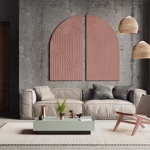
Arrange seating so people can move through the room without walking around unnecessary obstacles. Instead of filling every wall, leave some open space.
You can also divide the room into useful zones, such as:
- A conversation area
- A television area
- A reading corner
- A small work area
- A children’s activity space
A floor lamp, rug, shelf, or chair can visually define each zone without building permanent walls.
Bedroom Layout
Leave enough room to open wardrobes, drawers, and doors. Avoid squeezing large furniture into a small bedroom simply because it looks attractive online.
Before buying a bed, dresser, desk, or wardrobe, measure both the furniture and the available floor space.
Kitchen Workflow
A practical kitchen should allow easy movement between the sink, refrigerator, cooking area, storage, and work surfaces.
Consider how food is stored, prepared, cooked, served, and cleaned. A fashionable layout may still be frustrating if frequently used tools are difficult to reach.
Use Small Upgrades for a Fresh Look
A complete remodel is not always necessary. Smaller changes can noticeably improve a room while keeping costs manageable.
Affordable renovation ideas include:
- Repainting walls
- Replacing cabinet handles
- Updating door knobs
- Repairing drawer runners
- Adding curtains
- Installing removable wallpaper
- Using peel-and-stick tiles where appropriate
- Adding lamps and wall lights
- Replacing cushion covers
- Introducing plants
- Framing photographs or artwork
- Adding rugs and throws
However, test removable adhesives in a hidden area before applying them to a large surface. Some products can damage paint or leave residue.
Improve Storage and Reduce Clutter
A home often feels outdated or uncomfortable because it lacks organization rather than decoration.
Before buying more furniture, identify where clutter collects. Then create storage near that area.
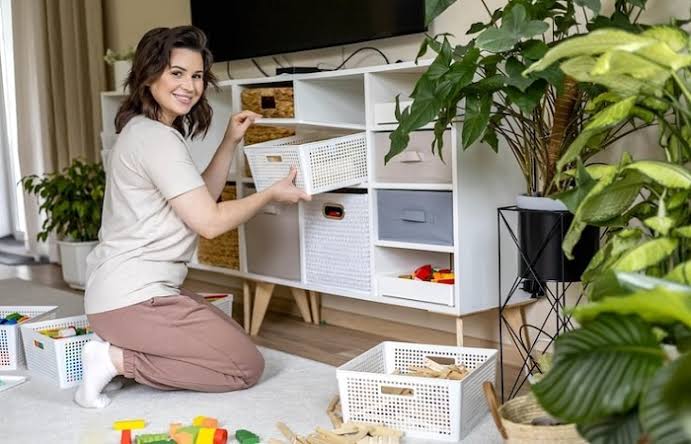
Useful storage solutions include:
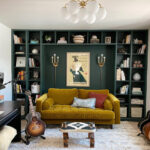
- Wall shelves
- Baskets
- Drawer organizers
- Entryway hooks
- Under-bed containers
- Storage ottomans
- Rolling carts
- Tall cabinets
- Freestanding shelves
- Tension-rod organizers
- Labeled boxes
Vertical storage is particularly useful in small homes because it uses wall height instead of valuable floor space.
Nevertheless, heavy shelves, mirrors, cabinets, and wall-mounted furniture require proper support. Check the wall type and use suitable fixings before installation.
Use Layered Lighting
A single ceiling fixture may not provide enough light for every activity. Layered lighting combines several light sources to improve both function and atmosphere.
A room may include:
- General ceiling lighting
- Task lighting for reading or cooking
- Table or floor lamps
- Wall lights
- Under-cabinet kitchen lighting
- Soft decorative lighting
Place brighter task lights where people work, read, prepare food, or apply makeup. Use softer lighting for relaxation areas.
Before adding new outlets, built-in lights, or wiring, consult a qualified electrician. Avoid permanent dependence on overloaded extension boards.
Improve Ventilation and Moisture Control
Fresh air and moisture control are important in kitchens, bathrooms, bedrooms, and laundry areas.
Keep windows and ventilation openings clear. In addition, clean ventilation grilles and maintain extraction systems according to the manufacturer’s instructions.
Kitchen extraction can help remove cooking odors, steam, and airborne grease. Bathroom ventilation can reduce condensation and persistent dampness.
However, ventilation should not be treated as a cure for an active leak or serious mold problem. The underlying source of moisture must be identified and corrected.
Consider Energy and Water Efficiency

Renovation creates an opportunity to reduce unnecessary energy and water use.
Depending on the home and budget, possible upgrades include:
- Efficient lighting
- Water-saving taps or shower fittings
- Improved insulation
- Better-sealed windows and doors
- Energy-efficient appliances
- Smart temperature controls
- Automated lighting
- Energy-monitoring devices
Choose technology that solves a real household problem. A smart device is not automatically useful simply because it is new.
Before buying, consider compatibility, maintenance, privacy, replacement costs, and whether everyone in the home can operate it easily.
Renovation Tips for Rental Homes
Renters should avoid permanent changes unless the landlord has approved them.
Before making improvements:
- Read the rental agreement.
- Ask for written permission when necessary.
- Photograph the original condition.
- Keep removed handles or small fixtures.
- Use reversible upgrades.
- Restore the property before moving out.
Rental-friendly ideas include rugs, curtains, plug-in lamps, removable wallpaper, freestanding shelves, storage carts, fabric panels, tension rods, and damage-free hooks.
Never use décor to conceal cracks, leaks, mold, electrical damage, or water stains. Report maintenance problems to the landlord or property manager.
Pet-Friendly Renovation Ideas
Pet owners should choose finishes that are easy to clean and difficult to damage.
Practical options may include:
- Washable rugs
- Removable furniture covers
- Low-pile carpets
- Scratch-resistant surfaces
- Organized feeding areas
- Closed storage for food and medicines
- Secured wires
- Stable bins
- Rounded furniture edges
Also, verify plant safety before placing indoor plants where pets can reach them. Common plant names can refer to different species, so veterinary or recognized animal-safety sources should be consulted.
Complete a Final Renovation Inspection
Do not assume that work is complete simply because the room looks finished.
Test every renovated feature, including:
- Doors and locks
- Windows
- Taps and drains
- Lights
- Switches and sockets
- Drawers
- Cabinet doors
- Appliances
- Shelves
- Grout and sealant
Inspect paint edges, tile gaps, corners, joints, fixtures, and plumbing connections.
When contractors are involved, compare the finished work with the original agreement before making the final payment. Keep receipts, warranties, product instructions, leftover paint, spare tiles, and matching hardware for future repairs.
Common Renovation Mistakes to Avoid
Even a small renovation can become expensive when basic planning is ignored.
Avoid these common mistakes:
- Starting without a budget
- Copying online designs without measuring
- Decorating before repairing damage
- Blocking ventilation
- Choosing materials only by appearance
- Buying the cheapest product for high-use areas
- Ignoring maintenance requirements
- Overcrowding small rooms
- Installing heavy items without proper support
- Attempting unsafe electrical or plumbing work
- Paying contractors before inspecting the work
- Throwing away receipts and warranties
Frequently Asked Questions
The best tips are to inspect the home, prepare a budget, repair damage before decorating, use durable materials, improve storage, plan room layouts carefully, and inspect finished work before making final payments.
Begin with affordable changes such as paint, cabinet hardware, lighting, curtains, rugs, storage baskets, removable wallpaper, and repaired furniture. Work one room at a time and reuse existing items where possible.
Start with the room that has the most urgent repair or functional problem. In many homes, the kitchen or bathroom comes first because these spaces contain plumbing, electrical systems, moisture, and frequently used fixtures.
Yes. Determine why the crack appeared before covering it. Small surface damage may require simple preparation, while growing, wide, recurring, or structural-looking cracks need professional assessment.
They can provide an affordable and reversible update, especially in rental homes. However, surface condition, moisture, heat, adhesion, and removal risks must be considered. Test the product in a hidden area first.
The right amount depends on the age and condition of the home. Include a separate contingency fund rather than spending the entire budget on planned materials and finishes.
Simple maintenance may be permitted in some locations, but electrical, plumbing, gas, structural, and code-regulated work often requires qualified professionals. Always follow local laws, permits, and safety requirements.
Use lighter finishes, clear walking routes, vertical storage, multipurpose furniture, layered lighting, mirrors, organized zones, and fewer oversized items. Better organization often makes a small home feel more spacious.
Final Thoughts on DecoradHouse Renovation Tips from DecoratorAdvice
The most useful decoradhouse renovation tips from decoratoradvice are based on practical decision-making rather than expensive decoration. Start with a clear plan, set a realistic budget, repair hidden problems, and choose materials that match the needs of each room.
After the essential work is complete, improve the home with better storage, layered lighting, updated hardware, fresh paint, comfortable furniture, and personal décor.
Most importantly, never allow appearance to replace safety. Structural, electrical, plumbing, moisture, mold, and building-code concerns should be handled with guidance from qualified professionals.