


A professional roof drain cleaning service removes leaves, dirt, moss, sludge, and other debris that can prevent rainwater from leaving a roof properly. When roof drains, gutters, downspouts, or scuppers become blocked, water may collect on the roof and eventually contribute to leaks, moisture damage, corrosion, or premature roofing wear.
Roof drainage problems can affect houses, apartment buildings, offices, warehouses, restaurants, and other commercial properties. Flat and low-slope roofs are particularly dependent on clear drainage systems because water cannot run off them as quickly as it does from steeply pitched roofs.
Routine inspection and cleaning can help keep water moving away from the building before a small obstruction develops into an expensive roofing or drainage problem.
What Is a Roof Drain Cleaning Service?
A roof drain cleaning service is a professional maintenance service that clears debris from the components responsible for carrying rainwater away from a roof.
Depending on the building, these components may include:
- Internal roof drains
- Drain strainers and covers
- Gutters
- Downspouts
- Scuppers
- Collector boxes
- Overflow drains
- Flat-roof drainage pipes
- Underground stormwater lines
- Commercial drainage systems
The service may involve removing surface debris by hand, clearing drain openings, flushing pipes, cleaning gutters, or using mechanical drain-cleaning equipment. More difficult blockages may require high-pressure water jetting or a drain inspection camera.
The exact approach should depend on the roof type, drainage design, blockage location, and condition of the roofing material.
Why Roof Drain Cleaning Is Important
Roof drainage systems are designed to move rainwater away from the roof and building. When a drain becomes clogged, that water has nowhere to go.
A blocked drain may cause water to pool around the drain opening. Over time, standing water can place stress on roofing materials, seams, flashing, and structural components.
Regular cleaning can help reduce the risk of:
- Standing water on flat roofs
- Water backing up under roofing materials
- Interior ceiling leaks
- Rot around roof edges or drainage areas
- Mold and mildew growth
- Corrosion on metal components
- Damaged insulation
- Overflowing gutters
- Foundation drainage problems
- Premature roof deterioration
Roof cleaning does not repair existing leaks or damaged roofing. However, keeping drains clear may help prevent debris-related drainage failures and reduce unnecessary moisture exposure.
Common Causes of Clogged Roof Drains
Roof drains are exposed to outdoor debris throughout the year. Even a small amount of material can build up around a drain opening and restrict water flow.
Leaves and Twigs
Leaves are among the most common causes of roof drainage problems. They can collect around strainers, inside gutters, and at the entrances to downspouts.
Wet leaves may form a dense layer that prevents water from reaching the drain. Twigs and small branches can also become lodged inside drainage pipes.
Properties surrounded by trees may require more frequent inspection and cleaning.
Dirt, Dust, and Sediment
During long dry periods, dust and dirt can accumulate on the roof. When rain arrives, the water carries this material toward the drain.
Over time, dirt can mix with organic debris and form sludge inside the drainage system. This buildup may narrow the pipe and slow water movement.
Moss and Algae
Damp or shaded roof areas can support algae, moss, mildew, and other organic growth. These materials may hold moisture against the roof and spread around drains or gutter systems.
Moss can also break apart and enter downspouts or drainage pipes.
Bird and Insect Nests
Birds, insects, and small animals may build nests near gutters, downspouts, or protected roof-drain areas. Nesting materials can block water flow and may be difficult to see from ground level.
Roofing and Construction Debris
Loose roofing granules, sealant, packaging, fasteners, pieces of insulation, and construction waste can enter roof drains during repair or renovation work.
Roof drains should therefore be inspected after roofing projects, HVAC installation, solar-panel work, or other construction activity.
Foreign Objects
Plastic bags, food packaging, tools, rags, and other objects may be blown onto a commercial roof or left behind by maintenance workers. These items can quickly cover a drain opening during heavy rain.
Signs You Need a Roof Drain Cleaning Service
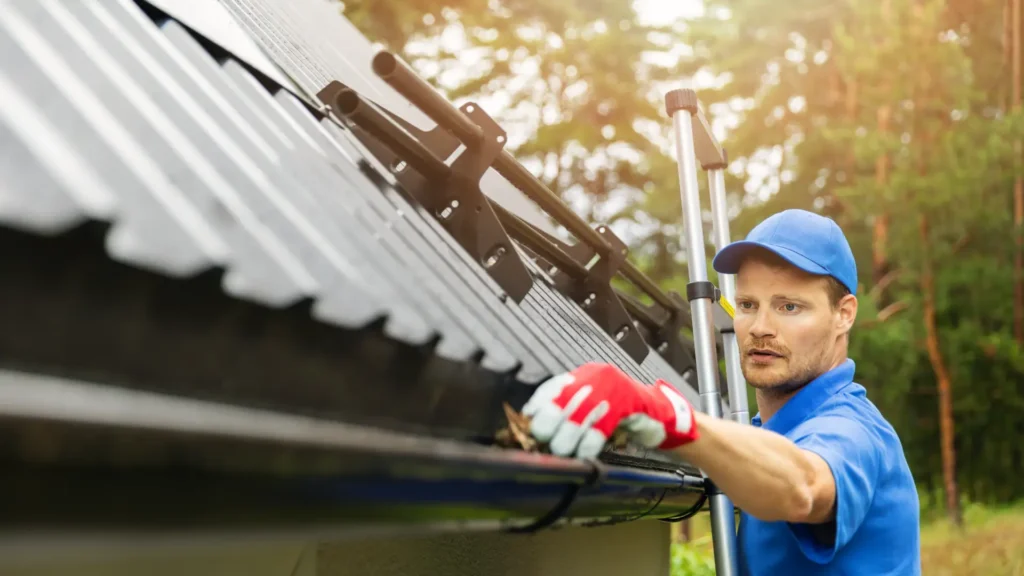
Roof drainage problems are not always obvious until water begins entering the building. Regular visual inspections can help identify warning signs earlier.
Common signs include:
- Standing water after rainfall
- Water draining unusually slowly
- Overflowing gutters
- Water spilling over roof edges
- Damp patches on ceilings
- Musty odors inside the building
- Water stains on walls
- Visible debris around drain covers
- Sagging or damaged gutters
- Plants or moss growing near drains
- Gurgling sounds in drainage pipes
- Water backing up from multiple drain openings
On a flat roof, some water may remain briefly after rain. However, persistent ponding water can indicate that a drain is clogged, the roof slope is inadequate, or the drainage system is damaged.
A professional inspection can help determine whether cleaning alone will solve the problem.
How a Professional Roof Drain Cleaning Service Works
The cleaning process varies according to the roof and the severity of the blockage. A typical service may include the following steps.
1. Roof and Drainage Inspection
The contractor examines the roof surface, drain openings, gutters, downspouts, scuppers, and visible drainage pipes.
The inspection may identify:
- Accumulated debris
- Missing drain covers
- Damaged strainers
- Cracked roof tiles
- Loose flashing
- Corroded components
- Standing water
- Damaged gutters
- Signs of previous leaks
The contractor should select cleaning methods that will not damage the roofing material.
2. Surface Debris Removal
Leaves, branches, dirt, moss, and loose materials are removed from the roof and surrounding drainage areas.
Removing debris from the roof surface is important because clearing only the drain opening may provide temporary relief. Remaining debris can wash back into the drain during the next storm.
3. Drain Opening and Strainer Cleaning
The drain cover or strainer is cleaned so water can enter the drainage system freely.
Damaged or missing strainers may need replacement. A properly fitted cover helps keep large objects out of the drain while still allowing water to pass through.
4. Gutter and Downspout Clearing
If the roof uses external gutters, the contractor removes debris from gutter channels and downspout entrances.
Water may then be used to confirm that each downspout is flowing correctly. A blockage farther down the pipe may require mechanical cleaning or flushing.
5. Mechanical Drain Cleaning
Professional drain-cleaning cables may be used when a blockage is located inside the pipe.
These flexible cables can break apart or remove roots, compacted debris, sludge, and foreign objects. Mechanical drain-cleaning machines should be operated by trained professionals because the equipment can be dangerous when used incorrectly.
6. Hydro-Jetting
Hydro-jetting uses high-pressure water to clean the inside of drainage pipes. It may be suitable for heavy sludge, grease, dirt, roots, or stubborn debris.
This method is commonly associated with commercial drainage and sewer systems. However, the drainage pipe must be inspected to ensure it is strong enough to tolerate the pressure.
Hydro-jetting a drain pipe is different from pressure washing a roof surface.
7. Flow Testing
After cleaning, water is introduced into the drainage system to check whether it moves freely.
The contractor may inspect the discharge point to confirm that water exits the system correctly.
8. Camera Inspection
A drainage camera may be recommended when the blockage returns, the pipe remains slow, or the contractor suspects damage.
Camera inspections can help identify:
- Broken pipes
- Collapsed sections
- Root intrusion
- Heavy internal buildup
- Misaligned joints
- Foreign objects
Cleaning cannot permanently solve a drainage problem caused by a damaged or collapsed pipe.
Soft Washing vs. Pressure Washing a Roof
Roof drain cleaning and roof-surface cleaning are related but separate services.
Soft washing uses gentle water pressure and cleaning solutions to remove stains, algae, mildew, and organic growth. It is often preferred for sensitive roofing materials.
Traditional pressure washing uses much stronger water pressure. While it may be appropriate for certain hard surfaces, it can damage some roofs.
High pressure should generally not be used on asphalt shingles because it may remove protective granules, loosen shingles, and shorten the roof’s service life. Tile roofs can also crack or become displaced when cleaned incorrectly.
A contractor should consider the roof material, manufacturer instructions, condition, age, slope, and warranty before choosing a cleaning method.
Residential Roof Drain Cleaning
Residential roof-drain maintenance often focuses on gutters, downspouts, valleys, scuppers, and drainage areas near flat-roof additions.
Homes may need more frequent cleaning when they have:
- Large trees nearby
- Heavy leaf fall
- Moss or algae growth
- Coastal salt exposure
- Frequent storms
- Low-slope roof sections
- Older gutters or downspouts
- Birds nesting around the roof
Homeowners can sometimes remove light debris from easily accessible gutters. However, roof work involves fall hazards and should not be attempted without proper equipment and experience.
Commercial Roof Drain Cleaning Service
A commercial roof drain cleaning service is especially important for flat and low-slope roofs. Warehouses, retail centers, apartment buildings, schools, restaurants, and offices often rely on internal drains and overflow systems.
Commercial roofs may collect:
- Packaging
- Food debris
- HVAC-related materials
- Dirt and sediment
- Grease residue
- Leaves
- Plastic objects
- Maintenance waste
Large commercial roofs can direct substantial amounts of water toward a small number of drains. A single blocked drain may therefore create widespread ponding.
Scheduled maintenance may include roof-debris removal, drain clearing, downspout cleaning, flow testing, and documentation of visible roof defects.
How Often Should Roof Drains Be Cleaned?
There is no single cleaning schedule for every property. The appropriate frequency depends on the climate, roof design, tree coverage, building use, and amount of debris.
Many properties may benefit from a professional roof inspection and cleaning every one to three years. However, roof drains should often be checked more frequently than the entire roof is professionally washed.
Useful inspection times include:
- Before the rainy season
- After heavy storms
- During autumn leaf fall
- After nearby construction
- After roofing or HVAC work
- When standing water appears
- After strong winds
- When gutters begin overflowing
Commercial properties and buildings surrounded by trees may require quarterly, monthly, or seasonally scheduled inspections.
The roof manufacturer’s maintenance requirements and warranty conditions should also be followed.
Can You Clean a Roof Drain Yourself?
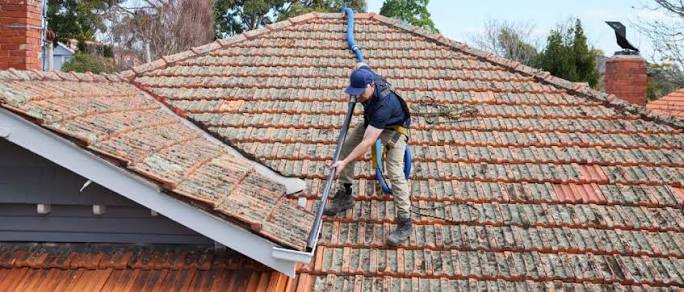
Some minor maintenance tasks may be manageable for homeowners, particularly when debris can be reached safely from the ground or with an appropriate gutter-cleaning tool.
Simple maintenance may include:
- Removing visible leaves from accessible gutters
- Checking ground-level downspout outlets
- Cleaning debris from around drainage discharge points
- Installing suitable gutter guards or drain strainers
- Trimming branches away from the roof
DIY roof work becomes unsafe when it requires walking on a steep, wet, fragile, or high roof.
Professional help is recommended when:
- Water is entering the building
- The roof is steep or difficult to access
- The drain remains blocked after surface debris is removed
- Multiple drains are slow
- A pipe blockage is suspected
- Ponding water is widespread
- The roof material is fragile
- Mechanical cleaning equipment is required
- The drainage pipe may be damaged
Chemical drain cleaners should not be poured into roof drains without confirming that they are compatible with the pipe, roofing materials, drainage system, and local environmental rules.
How Much Does Roof Drain Cleaning Cost?
The price of a roof drain cleaning service depends on the property and the work required.
Cost factors may include:
- Roof size
- Building height
- Number of drains
- Roof slope
- Accessibility
- Amount of debris
- Type of blockage
- Gutter and downspout condition
- Need for mechanical cleaning
- Hydro-jetting requirements
- Camera inspection
- Emergency service
- Water extraction or cleanup
- Roof repairs discovered during service
A basic debris-removal visit will generally cost less than clearing a blockage deep inside a commercial drainage line.
Property owners should request a written estimate explaining what is included and whether additional drain inspection or repair work could be required.
How to Prevent Future Roof Drain Clogs
Preventive maintenance can reduce the chance of emergency drainage problems.
Effective steps include:
- Inspecting drains before storm season
- Removing leaves regularly
- Keeping roof surfaces free of loose debris
- Cleaning gutters and downspouts
- Replacing damaged strainers
- Trimming overhanging branches
- Checking drains after construction work
- Removing moss and organic growth safely
- Scheduling professional roof inspections
- Testing drainage flow periodically
- Repairing damaged pipes and gutters promptly
Drain guards can block larger debris, but they still require cleaning. A completely covered strainer can prevent water from entering the drain just as effectively as an internal clog.
Choosing a Roof Drain Cleaning Company
A roof-drain contractor should understand both drainage systems and roofing materials.
Before hiring a company, ask:
- Is the company licensed where required?
- Does it carry liability and workers’ compensation insurance?
- Does it clean both roof surfaces and drainage pipes?
- Which cleaning method will it use?
- Is the method suitable for the roof material?
- Will gutters and downspouts be included?
- Can it perform camera inspections?
- Does it offer mechanical drain cleaning or hydro-jetting?
- How will surrounding property be protected?
- Will the contractor provide a written estimate?
- Are repairs included or billed separately?
- Does the work affect the roof warranty?
Avoid companies that recommend aggressive pressure washing for every roofing material. Cleaning methods should be selected according to the specific roof rather than applied universally.
Frequently Asked Questions
A roof drain cleaning service may include removing debris from the roof, clearing drain strainers, cleaning gutters and downspouts, flushing drainage pipes, testing water flow, and inspecting the system for damage. Mechanical cables, hydro-jetting, or drain cameras may be used for difficult blockages.
Common signs include standing water, slow drainage, overflowing gutters, roof-edge overflow, visible debris, interior water stains, musty odors, and water backing up from multiple drainage points.
Roof drains should generally be inspected before rainy seasons, after major storms, and during periods of heavy leaf fall. Full professional cleaning frequency depends on the roof, climate, surrounding trees, and building use.
Yes. A blockage can allow water to collect around roofing seams, flashing, and drain openings. The water may eventually enter through existing defects or damaged roofing components.
High-pressure water may be used inside suitable drainage pipes through hydro-jetting. However, high-pressure washing can damage some roof surfaces, especially asphalt shingles. The pipe-cleaning method and roof-surface method should be evaluated separately.
You may be able to remove light, visible debris from an safely accessible area. Professional help is safer when the roof is high or steep, the blockage is inside a pipe, standing water is widespread, or water is already entering the building.
No. Cleaning may correct a drainage-related problem, but it does not repair damaged flashing, cracked tiles, deteriorated membranes, broken pipes, or structural defects. Existing leaks should be inspected and repaired separately.
Commercial flat roofs often use internal drains, scuppers, overflow drains, and underground stormwater pipes. Residential roofs more commonly rely on external gutters and downspouts, although some homes also have flat-roof drains.
Final Thoughts on Roof Drain Cleaning Service
A reliable roof drain cleaning service helps rainwater move away from the roof before it can collect around drains, overflow gutters, or enter the building.
Professional cleaning can remove leaves, moss, dirt, sludge, nests, and foreign objects from roof drains, gutters, downspouts, and stormwater pipes. More serious blockages may require mechanical equipment, hydro-jetting, or camera inspection.
Routine cleaning is not a substitute for roof repair. However, it can support proper drainage, reduce moisture retention, and help property owners identify small problems before they become more expensive.
The best maintenance schedule depends on the roof design, local weather, nearby trees, building use, and drainage history.