
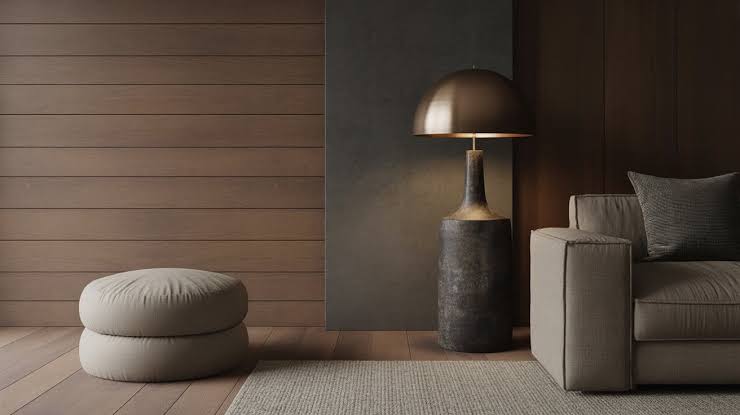
Upgrades DecoradHouse ideas focus on making a home more comfortable, functional, organized, and visually appealing without requiring a complete renovation. Instead of replacing everything at once, this approach emphasizes small improvements that solve everyday problems and create a noticeable difference.
Better lighting, smarter storage, refreshed furniture, personal decorations, and carefully chosen colors can transform a room even when the budget is limited. The most effective upgrades are not always the most expensive. Often, they are the changes that improve how a space works throughout the day.
This guide explains practical DecoradHouse-inspired upgrades for living rooms, bedrooms, kitchens, bathrooms, home offices, and small spaces.
What Does Upgrades DecoradHouse Mean?
The phrase “upgrades DecoradHouse” is commonly used for home-improvement ideas associated with practical, affordable, and uncluttered interiors.
The general concept includes:
- Improving function before buying decorations
- Choosing affordable upgrades instead of complete renovations
- Using furniture that offers more than one purpose
- Increasing storage without overcrowding the room
- Making better use of natural and artificial light
- Selecting colors that work together
- Adding personal items instead of copying temporary trends
- Refreshing existing furniture whenever possible
DecoradHouse itself publishes content about home décor, renovation, cleaning, gardening, roofing, kitchens, bathrooms, and household services. However, some external websites also use phrases such as the “DecoradHouse approach” or “DecoratorAdvice” when presenting their own interpretations of this style.
Therefore, these ideas should be understood as general home-decor inspiration rather than a formal or officially documented DecoradHouse design system.
Plan Your Home Upgrades Before Shopping
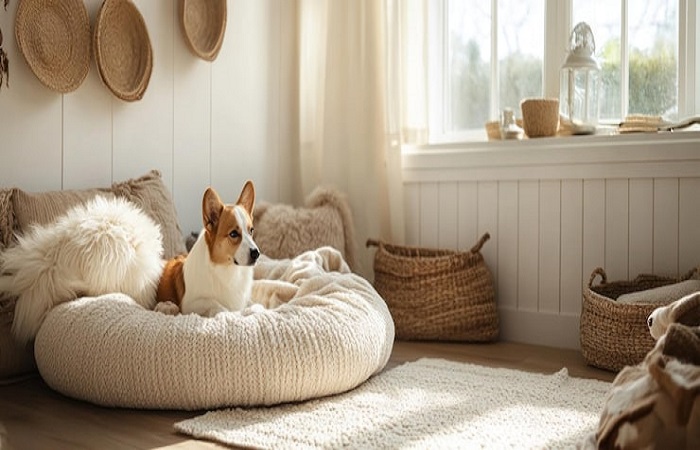
Good home upgrades begin with planning rather than purchasing.
Walk through each room and identify the problems that affect daily life. A living room may feel dark, a bedroom may lack storage, or a kitchen may have an inefficient layout. Defining the problem makes it easier to select an upgrade that provides a real benefit.
Before starting, consider four questions:
- What is not working in this room?
- Which improvement would make daily life easier?
- How much can I realistically spend?
- Can I improve something I already own?
Measure doorways, walls, furniture, hallways, and available floor space before ordering anything. This is especially important when buying sofas, shelving units, rugs, cabinets, or multifunctional furniture.
It is also better to complete one project before beginning another. Starting several rooms at once can create clutter, unfinished work, and unnecessary expenses.
1. Choose Multifunctional Furniture
Multifunctional furniture is one of the most useful upgrades for small or busy homes.
Examples include:
- Storage ottomans
- Sofa beds
- Nesting tables
- Benches with hidden compartments
- Beds with built-in drawers
- Coffee tables with shelves
- Foldable desks
- Extendable dining tables
These pieces provide additional storage or flexibility without using much extra floor space.
A storage ottoman, for example, can serve as a seat, footrest, side table, and place to keep blankets. A sofa bed can turn a home office into an occasional guest room.
Before buying multifunctional furniture, check its dimensions, weight capacity, construction quality, and ease of use. A piece is only practical when each of its functions works well.
2. Improve the Lighting in Every Room
Lighting affects comfort, appearance, and usability. A room with attractive furniture may still feel unpleasant when it is too dark or relies on one harsh ceiling light.
A balanced room usually includes three lighting layers:
Ambient lighting
Ambient lighting provides general illumination. Examples include ceiling fixtures, pendant lights, and recessed lighting.
Task lighting
Task lighting helps with specific activities such as reading, cooking, applying makeup, or working at a desk.
Examples include:
- Reading lamps
- Under-cabinet kitchen lights
- Desk lamps
- Vanity lights
- Bedside lamps
Accent lighting
Accent lighting highlights artwork, shelves, plants, or architectural features. Wall sconces, picture lights, and small decorative lamps can provide this effect.
Dimmers can make lighting more flexible, while warm-colored bulbs often create a relaxed atmosphere in living rooms and bedrooms. Kitchens and workspaces may benefit from brighter task lighting.
Electrical changes should be completed according to local regulations and, where required, by a qualified electrician.
3. Make Better Use of Natural Light
Natural light can make a home feel brighter, larger, and more inviting.
Simple improvements include:
- Replacing heavy curtains with sheer or light-filtering panels
- Cleaning windows regularly
- Removing objects that block the glass
- Trimming outdoor plants that block sunlight
- Using light wall colors
- Placing mirrors near or opposite windows
- Choosing lower-profile furniture near windows
Mirrors do not create additional daylight, but they can reflect existing light into darker parts of a room.
Avoid placing tall furniture directly in front of windows unless privacy or sun protection makes it necessary.
4. Use a Cohesive Color Palette
A consistent color palette helps different elements in a room feel connected.
One simple method is to select:
- One main color
- One supporting color
- One accent color
The 60-30-10 rule is often used as a general decorating guide:
- 60% main color
- 30% secondary color
- 10% accent color
For example, a room could use warm white walls, light-brown furniture, and green decorative accents.
This does not need to be mathematically exact. Its purpose is to prevent too many competing colors from making the space feel disorganized.
Neutral colors can create a flexible background, while accent colors may be introduced through cushions, artwork, lamps, rugs, or small decorative objects.
5. Refresh Existing Furniture
Buying new furniture is not always necessary.
Existing pieces can sometimes be improved with:
- New cabinet handles
- Slipcovers
- Paint
- Wood stain
- Replacement legs
- Updated drawer pulls
- New cushions
- Reupholstery
- Decorative contact paper
Changing hardware is one of the easiest ways to update cabinets, dressers, and vanities.
Before painting or refinishing furniture, identify the original material and choose products designed for that surface. Laminated furniture, solid wood, metal, and previously painted pieces may require different preparation methods.
Follow the manufacturer’s instructions for cleaning, sanding, priming, ventilation, drying time, and protective finishes.
6. Rearrange the Furniture Layout
Rearranging a room can provide a noticeable upgrade without requiring any purchases.
Try to create clear walking routes and avoid placing every piece of furniture against the walls. In some rooms, moving a sofa slightly forward can create a more comfortable conversation area.
Consider these layout principles:
- Keep main pathways open
- Avoid blocking doors and windows
- Position seating around a focal point
- Use rugs to define activity areas
- Leave enough space to open drawers and cabinets
- Keep furniture proportional to the room
Possible focal points include a fireplace, television, large window, artwork, or built-in shelving.
Large furniture should be arranged first. Smaller tables, lamps, plants, and accessories can then be placed around it.
7. Maximize Storage in Small Spaces
Storage upgrades can improve both appearance and function.
In small rooms, make use of vertical and overlooked areas with:
- Tall shelving
- Wall-mounted organizers
- Hooks
- Under-bed containers
- Over-door storage
- Floating shelves
- Cabinet dividers
- Drawer organizers
- Clear labeled bins
Storage should make frequently used items easier to reach rather than simply hiding clutter.
Before adding storage furniture, remove broken, duplicated, or unused belongings. Otherwise, additional storage may only create more places to keep unnecessary items.
Closed storage works well for visually busy objects, while open shelves are better for carefully arranged books, plants, artwork, or frequently used items.
8. Add Personal Artwork and Meaningful Décor
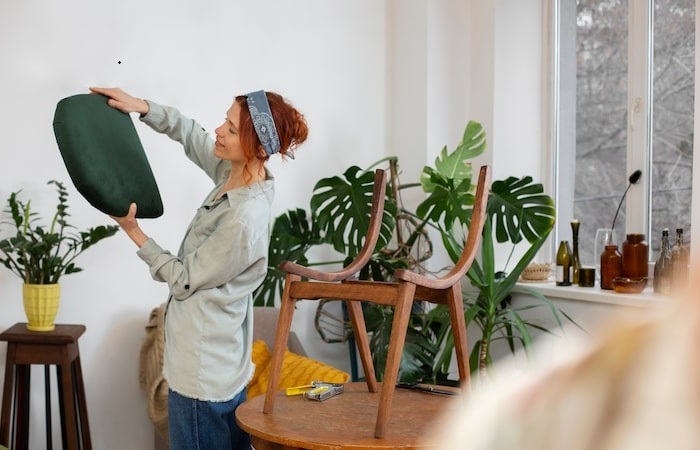
A home feels more distinctive when it includes objects connected to the people living there.
Personal décor can include:
- Family photographs
- Travel souvenirs
- Handmade items
- Books
- Children’s artwork
- Inherited objects
- Collections
- Original prints
Instead of filling surfaces with many small decorations, consider using fewer but more noticeable pieces.
Artwork is commonly hung around eye level, although the correct height depends on the wall, furniture, and viewing position. When creating a gallery wall, consistent spacing can make different frames feel more unified.
Personal items should support the room rather than overwhelm it.
9. Mix Textures and Materials
A limited color palette can still feel interesting when it includes different textures.
Possible combinations include:
- Wood and metal
- Linen and glass
- Jute and smooth ceramics
- Knitted throws and leather
- Rattan and painted furniture
- Soft rugs and polished surfaces
Texture adds visual depth and can prevent neutral rooms from feeling flat.
However, too many unrelated materials may make a room feel busy. Repeat some textures or finishes throughout the space to create balance.
For example, a wooden coffee table could be connected visually to wooden picture frames or shelving.
10. Add Indoor Plants Carefully
Indoor plants can introduce color, shape, and a connection to nature.
Common beginner-friendly choices include pothos and snake plants, although no plant is completely maintenance-free.
Before choosing a plant, consider:
- Available sunlight
- Room temperature
- Humidity
- Watering needs
- Mature size
- Pet and child safety
Place plants where they receive suitable light rather than where they merely look attractive.
Decorative planters can also support a room’s color scheme. Still, they should include proper drainage or an internal nursery pot to reduce the risk of overwatering and surface damage.
Claims that a few houseplants will significantly purify the air in an ordinary home are often overstated. Plants should primarily be viewed as decorative and horticultural additions rather than replacements for ventilation or air filtration.
11. Upgrade Kitchens and Bathrooms Without Full Remodeling
Kitchens and bathrooms are expensive to remodel, but smaller changes can improve their appearance.
Affordable kitchen upgrades
- Replace cabinet handles
- Add under-cabinet lighting
- Paint suitable cabinet surfaces
- Organize drawers and cupboards
- Install a washable backsplash
- Add a small herb planter
- Replace worn mats or curtains
- Display frequently used items neatly
Some décor articles recommend replacing solid cabinet doors with glass fronts. However, cabinet modifications require accurate measurements, suitable materials, safe glazing, and appropriate hardware. Professional help may be necessary.
Affordable bathroom upgrades
- Install a larger mirror
- Replace worn towels
- Add closed storage
- Upgrade the shower curtain
- Improve vanity lighting
- Replace compatible hardware
- Add hooks or shelves
- Use matching containers for daily items
Any plumbing, electrical, waterproofing, or structural work should be handled according to local building requirements.
Common Upgrades DecoradHouse Mistakes
Following every trend
Highly fashionable items can quickly make a room feel dated. Use trends for inexpensive accessories rather than major furniture or permanent finishes.
Buying furniture without measuring
Furniture may fit inside the room but still be too large for doors, stairs, hallways, or comfortable circulation.
Starting too many projects
Unfinished upgrades create stress and may cost more than expected. Complete one room or task before beginning the next.
Ignoring the home’s existing character
Modern decorations may look disconnected in a traditional home when no effort is made to connect the styles.
Choosing the cheapest product every time
A low initial price does not always represent good value. Products that wear out quickly may need to be replaced sooner.
Adding storage without decluttering
Extra shelves and containers will not solve clutter when unnecessary belongings are never removed.
A Simple Room-by-Room Upgrade Plan
| Room | Main Goal | Practical Upgrade |
| Living room | Comfort and warmth | Layer lighting, reposition furniture, add a rug |
| Bedroom | Calm and storage | Use soft colors, under-bed storage, layered bedding |
| Kitchen | Function and organization | Improve task lighting, organize cabinets, replace hardware |
| Bathroom | Clean and relaxing | Add a mirror, storage, better towels, improved lighting |
| Home office | Focus and efficiency | Position the desk well, add task lighting, use wall storage |
| Entryway | Organization | Add hooks, a bench, shoe storage, and a small mirror |
| Small room | More usable space | Choose multifunctional furniture and vertical storage |
Are DecoradHouse Upgrades Expensive?
DecoradHouse-inspired upgrades do not need to be expensive because many involve reorganizing, repainting, changing lighting, updating hardware, or improving items already in the home.
However, costs vary according to:
- Room size
- Product quality
- Labor requirements
- Existing damage
- Location
- Customization
- Electrical or structural work
Set a fixed budget and include a small reserve for unexpected expenses. Compare the cost of repairing an item with the cost of replacing it, but also consider longevity, safety, and daily usefulness.
Frequently Asked Questions
Upgrades DecoradHouse refers to practical home-improvement and decorating ideas associated with affordable, functional, organized, and visually balanced interiors.
No. Many upgrades involve rearranging furniture, decluttering, improving lighting, repainting suitable surfaces, changing hardware, or refreshing existing décor.
Begin with the problem that has the greatest effect on daily life. Lighting, storage, furniture placement, and organization are often good starting points.
Use multifunctional furniture, vertical shelves, wall-mounted storage, mirrors, light colors, and clear walking routes.
Neutral or light base colors are commonly paired with one supporting shade and a stronger accent color. However, the best palette depends on the room, existing furniture, lighting, and personal preference.
No. Plants are optional. They can add color and texture, but they should only be used when the room provides suitable growing conditions.
The reviewed external articles do not provide convincing evidence that “DecoratorAdvice” is an official DecoradHouse department, program, or design methodology. The term should be treated cautiously unless confirmed directly by DecoradHouse.
Simple decorating and organization projects are often suitable for DIY work. Electrical, plumbing, structural, glazing, waterproofing, and safety-sensitive changes may require qualified professionals.
Final Thoughts on Upgrades DecoradHouse
The most useful upgrades DecoradHouse ideas combine appearance with function. A successful room should not only look attractive but also support everyday activities.
Begin with the problem that affects daily life most. That may be poor lighting, insufficient storage, uncomfortable furniture placement, or excessive clutter. Then select one practical improvement and complete it before moving to the next project.
Small changes such as rearranging furniture, updating cabinet handles, improving task lighting, adding a mirror, or creating better storage can have a greater impact than filling a home with new decorations.
The best home upgrade is one that makes the space easier, safer, and more enjoyable to use.