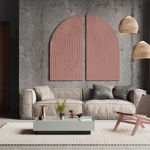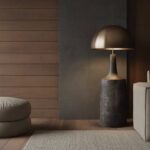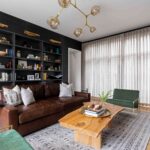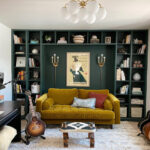

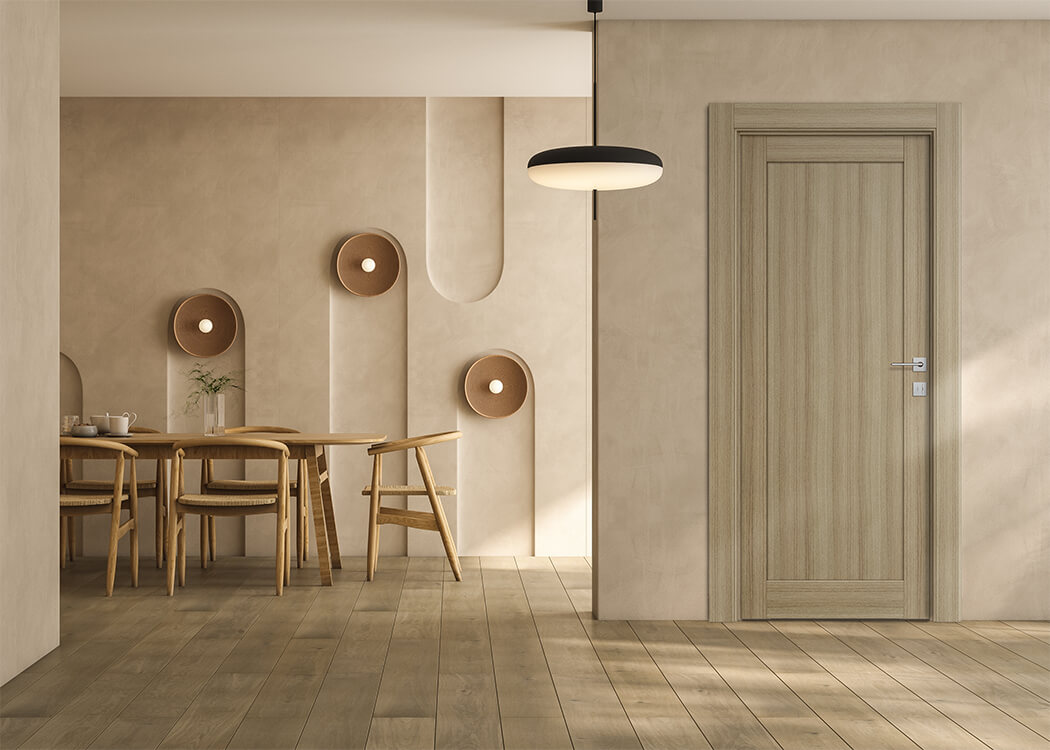
Japandi interior design is a calm, warm, and intentional home style that blends Japanese simplicity with Scandinavian comfort. It is loved for its clean lines, natural materials, soft colors, and peaceful mood. Instead of filling a home with too many decorations, Japandi focuses on fewer, better, and more meaningful choices.
This style is not only about making a room look beautiful. It is also about making a home easier to live in. A Japandi room feels open, practical, balanced, and quiet. It gives every item a purpose. A chair should be comfortable. A lamp should create soft light. A cabinet should hide clutter. A vase should add texture without making the room feel busy.
Japandi works well in living rooms, bedrooms, kitchens, bathrooms, entryways, small apartments, and open-plan homes. It can feel modern, cozy, natural, and timeless at the same time. The secret is balance: Japanese restraint meets Scandinavian warmth.
What Is Japandi Interior Design?
Japandi interior design is a mix of Japanese and Scandinavian design. From Japanese interiors, it takes minimalism, calm, natural beauty, low furniture, and respect for imperfection. From Scandinavian interiors, it takes warmth, comfort, function, soft textures, and easy everyday living.
The result is a home that looks simple but not empty. It feels cozy but not cluttered. It is elegant but not showy. A Japandi space often includes neutral colors, wood, stone, linen, ceramics, warm lighting, clean furniture, and a strong sense of open space.
The style is closely connected to three ideas: wabi-sabi, hygge, and lagom. Wabi-sabi is a Japanese idea that values natural imperfection, age, texture, and quiet beauty. Hygge is a Scandinavian idea about coziness, comfort, and warmth. Lagom means “just the right amount,” which fits Japandi perfectly because this style avoids both excess and emptiness.
In simple words, Japandi is about creating a home that feels calm, useful, natural, and deeply comfortable.
Why Japandi Interior Design Is So Popular
Japandi interior design has become popular because many people want homes that feel peaceful. Modern life can be loud, busy, and stressful. A Japandi home gives the eyes and mind a place to rest.
Another reason this style is popular is that it is practical. It does not require a room full of expensive decor. In fact, Japandi often begins with removing what is not needed. Clear surfaces, smart storage, and simple layouts make a home easier to clean and easier to enjoy.
Japandi also feels timeless. Natural wood, stone, linen, ceramic, wool, rattan, and warm neutral colors do not go out of style quickly. While some trends depend on bold colors or dramatic shapes, Japandi is built on calm design principles that can last for years.
It is also flexible. A home can lean more Japanese, more Scandinavian, more rustic, more modern, or more soft minimal. Some designers describe this softer side as “soft minimalism,” where a room stays clean and simple but still feels human, warm, and welcoming.
The Origins of Japandi Style
The roots of Japandi go back much further than a modern social media trend. Japanese and Scandinavian design traditions have shared values for a long time. Both respect craftsmanship, natural materials, simple forms, and useful spaces.
The connection became stronger in the 19th century, when Japan opened more to international trade and European designers began studying Japanese art, furniture, and architecture. Scandinavian designers were especially drawn to the Japanese focus on restraint, balance, nature, and handmade quality.
Over time, these design values blended naturally. Scandinavian interiors already valued light, wood, comfort, and function. Japanese interiors valued simplicity, empty space, low furniture, and quiet beauty. Japandi brings those ideas together in a way that feels modern, calm, and easy to live with.
Main Features of Japandi Interior Design
The first major feature of Japandi interior design is simplicity. Rooms are not packed with furniture or accessories. Every item should have a clear role. This does not mean the home feels plain. It means the beauty comes from shape, texture, light, and material quality.
The second feature is warmth. Unlike strict minimalism, Japandi does not feel cold. Soft fabrics, warm wood, gentle lighting, woven textures, and handmade ceramics make the space feel inviting.
The third feature is function. Furniture should support daily life. Storage should be smart. Walkways should be open. The room should feel easy to use, not just nice to photograph.
The fourth feature is natural texture. Japandi interiors often use wood grain, stone surfaces, linen curtains, cotton bedding, wool throws, bamboo, rattan, ceramic, and natural fiber rugs. These materials add depth without needing loud patterns.
The fifth feature is negative space. Empty space is part of the design. A bare wall, a clear tabletop, or an open corner can make a room feel calm and balanced.
Japandi Interior Design Color Palette
The Japandi color palette is soft, grounded, and inspired by nature. It avoids loud colors, sharp contrast, and overly bright shades. The goal is to create a quiet background that allows materials and shapes to stand out.
Good base colors include warm white, ivory, cream, beige, sand, and greige. These shades work well for walls, large rugs, curtains, sofas, bedding, and cabinets. They make a room feel open and soft without looking cold.
Middle tones include taupe, warm gray, light brown, clay, stone, and muted earth shades. These colors add depth and make the room feel grounded.
Accent colors should be used carefully. Muted sage, olive green, charcoal, soft black, navy blue, bronze, and deep brown can add contrast. However, Japandi does not need many accents. One black chair frame, one bronze fixture, one olive cushion, or one dark ceramic vase can be enough.
A useful rule is this: the color should feel connected to the material. Wood should bring brown tones. Stone should bring gray or beige tones. Plants should bring green. Metal should bring bronze, brass, nickel, or black. This keeps the palette natural and calm.
Best Materials for Japandi Interior Design
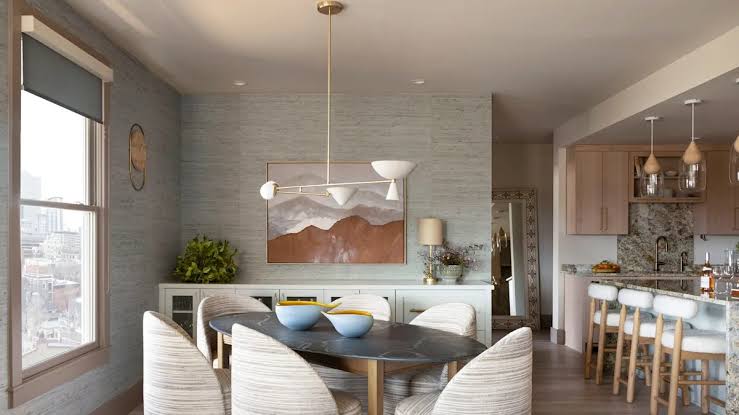
Materials are one of the most important parts of Japandi interiors. Since the style uses fewer objects, each material needs to add warmth, texture, and quality.
Wood is the foundation of many Japandi spaces. Oak, pine, beech, bamboo, and light wood tones work especially well. Wood can be used for floors, tables, chairs, cabinets, shelves, benches, and wall panels.
Stone adds a grounded feeling. Limestone, travertine, slate, granite, marble, and stone-effect porcelain tile are good options. In kitchens and bathrooms, stone-look surfaces can create a calm, spa-like feel.
Textiles soften the room. Linen, cotton, wool, hemp, jute, and natural fibers help a minimal space feel warm. A linen curtain, wool rug, cotton bedding, or woven basket can make a big difference.
Ceramics are also important. Handmade bowls, vases, and plates fit the wabi-sabi side of Japandi because they can show small irregularities and natural texture.
Metals should be subtle. Bronze, brass, nickel, matte black, and patina-friendly finishes work better than shiny chrome in many Japandi homes. Bronze hardware, for example, can add warmth and age beautifully over time.
Porcelain tile is also useful, especially wood-look or stone-effect porcelain. It gives the look of natural materials while offering durability, easy cleaning, and visual continuity. Large-format porcelain tiles can reduce grout lines and make a room feel calmer.
Furniture Rules for Japandi Interiors
Furniture in Japandi interior design should be simple, useful, and comfortable. The best pieces have clean lines, natural materials, and a quiet shape.
Low furniture is common. Low sofas, platform beds, floor cushions, lounge chairs, bench-style tables, and low coffee tables can make a room feel grounded and relaxed. This comes from the Japanese side of the style.
At the same time, the furniture should feel comfortable. A sofa can be minimal but still soft. A chair can have a clean shape but still support the body. This comfort comes from the Scandinavian side.
Avoid oversized furniture that blocks movement. Japandi rooms need clear walkways and open flow. Each piece should have enough breathing room around it.
Curves can also help. Japandi is not only about straight lines. A round coffee table, curved armchair, soft-edged bench, or rounded ceramic lamp can make the room feel gentle and balanced.
Storage furniture matters too. Built-in cabinets, floating shelves, closed sideboards, hidden drawers, storage benches, and handle-free wardrobes help reduce visual clutter. A Japandi home often looks calm because everyday items are stored neatly out of sight.
Lighting in Japandi Interior Design
Lighting is essential in Japandi interiors because it shapes the mood of the whole room. Harsh lighting can make the space feel cold. Soft, warm lighting makes it feel peaceful.
Natural light is the best starting point. Use sheer curtains, linen drapes, light wall colors, and open layouts to let daylight move through the home. If privacy is needed, choose window treatments that soften light instead of blocking it completely.
In the evening, use layered lighting. This means using more than one light source. Combine floor lamps, table lamps, wall sconces, pendant lights, and soft accent lighting.
Paper lanterns, linen lampshades, ceramic lamps, wooden bases, and woven fixtures fit the style well. Warm bulbs are usually better than cool white bulbs. Dimmer switches can also help create a cozy mood.
In bedrooms, avoid harsh overhead LEDs. In kitchens, combine soft ceiling lights with useful task lighting. In bathrooms, use gentle wall sconces or vanity lighting to create a spa-like feeling.
Japandi Interior Design Living Room Ideas
A Japandi living room should feel calm, open, and welcoming. Start with a warm neutral base. Choose a simple sofa in linen, cotton, wool, or another soft fabric. A low sofa with clean lines works especially well.
Add a wood coffee table with visible grain. The table should feel simple but strong. Round or softly curved tables can help balance straight furniture lines.
Use a natural rug to ground the seating area. Jute, wool, cotton, or other woven textures can add warmth. Keep cushions simple. Two or three cushions in beige, taupe, muted green, or soft gray are usually enough.
Storage is very important in the living room. Use a low sideboard, built-in cabinet, floating shelf, or closed storage unit to hide clutter. If you use open shelves, keep them light and intentional. A few books, one ceramic vase, one bowl, and one plant can be enough.
Decor should be minimal but meaningful. A large artwork, handmade vase, sculptural lamp, indoor plant, or textured ceramic piece can add personality without making the room feel crowded.
Japandi Bedroom Ideas
A Japandi bedroom should feel like a quiet retreat. The bed is usually the main feature, but it should not feel heavy or overly decorated. A low bed, platform bed, simple wood frame, or minimal headboard works well.
Choose bedding in natural fabrics such as linen, cotton, or wool. Warm white, beige, taupe, gray, clay, and muted green are good bedroom colors. Avoid too many pillows or loud patterns. The bed should feel soft, relaxed, and simple.
Nightstands should be clean and functional. Floating nightstands, small wood tables, or simple built-in shelves are good options. Keep only the essentials on top, such as a lamp, book, or small ceramic dish.
Storage should stay hidden. Handle-free wardrobes, matte wooden dressers, built-in closets, and under-bed storage can help keep the room peaceful.
Lighting should be gentle. Use bedside lamps with paper, linen, ceramic, or wood details. Soft accent lighting behind the headboard or under the bed can create a calm evening mood.
A Japandi bedroom does not need much decor. One plant, one piece of wall art, one wool rug, and natural bedding can be enough.
Japandi Kitchen Ideas
A Japandi kitchen should be practical, clean, and warm. It should support cooking and daily routines without feeling cluttered.
Wood cabinets are a strong choice. Oak, bamboo, or matte wood finishes create warmth. Flat-front cabinets, handle-free drawers, or slim bronze hardware can keep the design simple.
Counters should be clear. Deep drawers, pull-out organizers, hidden bins, spice pull-outs, tray dividers, and appliance storage can make the kitchen easier to use. The less clutter on the counter, the calmer the kitchen feels.
Stone or porcelain surfaces work well. Stone-effect porcelain countertops, large-format slabs, or simple matte stone surfaces can create visual calm. Wood-look porcelain flooring can also bring warmth while staying durable and easy to maintain.
A Japandi kitchen can include open display, but only in small amounts. One open niche with handmade ceramics, wooden bowls, or a few everyday cups can look beautiful. Too many open shelves may make the room feel busy.
Lighting should be practical and soft. Use under-cabinet lighting for tasks, pendant lights over an island, and diffused ceiling lights for general brightness.
Japandi Bathroom Ideas
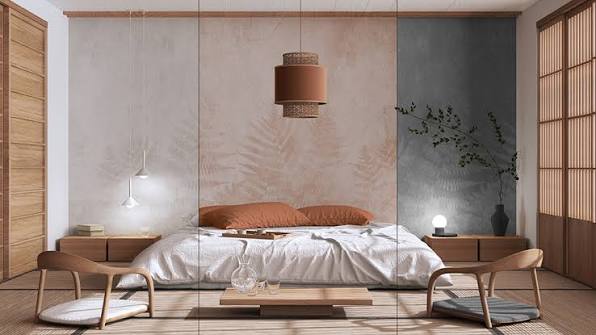
A Japandi bathroom should feel quiet, clean, and restorative. Think of it as a small spa inside the home.
Stone-effect porcelain tile is a strong option for Japandi bathrooms because it handles moisture well and creates a natural mineral look. Large tiles on the floor, walls, and shower area can make the room feel seamless and calm.
A floating vanity can make the space feel lighter. Closed drawers and built-in niches help hide daily products. Keep visible items limited to a soap dish, one tray, a small plant, or a ceramic vase.
Fixtures should be understated. Bronze, brushed nickel, matte black, or soft brass can add warmth without looking flashy. A rainfall showerhead or simple handheld shower can support the spa feeling.
Use soft lighting around the mirror. Wall sconces, gentle vanity lighting, or warm LED strips can feel better than one harsh ceiling light.
Towels should be simple and natural. Cotton, waffle texture, linen blends, or soft neutral towels work well. Avoid too many colors or patterns.
Japandi Entryway Ideas
A Japandi entryway should be simple, open, and useful. This area sets the tone for the rest of the home, so it should feel calm from the first step inside.
Use a slim wooden bench for sitting and putting on shoes. Add hidden shoe storage to keep the floor clear. Bronze hooks, a simple mirror, a jute mat, and a small ceramic vase can complete the space.
Keep the walkway open. Bags, coats, and shoes should have a proper place. If the entryway is small, use wall-mounted storage, narrow cabinets, or a floating shelf.
A single plant, one warm wall sconce, or one handmade bowl for keys can add personality without clutter.
Japandi Dining Room Ideas
A Japandi dining room should feel warm, simple, and connected. Choose a wood dining table with a clean shape. A bench on one side can create a relaxed and grounded look.
Dining chairs should be comfortable but not bulky. Wood, woven seats, curved backs, and simple silhouettes work well. Avoid chairs that feel too ornate or heavy.
Lighting above the table should be soft and focused. A paper pendant, linen shade, or simple ceramic fixture can create a calm mood.
Keep the table styling minimal. A ceramic bowl, small branch arrangement, linen runner, or handmade vase is enough. The goal is to make the dining area feel welcoming, not staged.
Japandi Home Office Ideas
A Japandi home office should support focus. Start with a simple desk in wood or a warm neutral finish. Choose a comfortable chair with a clean shape.
Keep the desktop clear. Use drawers, trays, boxes, or hidden storage for papers and tools. Too many visible items can make it harder to focus.
Natural light is helpful, but soft task lighting is also important. A small lamp with a ceramic, wood, or matte metal base can work well.
Decor should be minimal. A plant, one artwork, or one textured object can make the office feel personal without distracting from work.
How to Add Japandi Style Without Redesigning Your Whole Home
You do not need a full renovation to create a Japandi look. Start small and work slowly.
First, declutter one room. Remove items that are broken, unused, or only adding visual noise. Keep what is useful, beautiful, or meaningful.
Second, simplify the color palette. Choose warm neutrals and natural tones. If your room has too many colors, reduce them through rugs, curtains, cushions, and wall paint.
Third, add natural textures. A linen curtain, wood tray, ceramic vase, wool throw, jute rug, or bamboo basket can shift the mood quickly.
Fourth, improve lighting. Replace harsh bulbs with warm ones. Add a table lamp, floor lamp, or wall sconce to create layers.
Fifth, create one clear surface. A clean coffee table, nightstand, or kitchen counter can make the whole room feel calmer.
Japandi is not about buying everything new. It is about editing, choosing carefully, and making the home feel more peaceful.
Real-World Japandi Inspiration
Real Japandi homes can look different depending on location, architecture, and personal taste. Some spaces use sliding wood screens, oak, stone, and neutral tones to create soft divisions between rooms. Others use large windows, natural light, and simple materials to make older homes feel open and calm.
In city apartments, Japandi often appears through open floor plans, fluted panels, soft natural palettes, reflective surfaces, and light wood. In larger homes, it may include garden views, stone floors, rattan, natural fabrics, and Zen-inspired outdoor connections.
Some designers create Japandi rooms that feel more refined and modern, while others lean into a softer, cozier version. Belgian designer Laura Calleeuw’s approach, often described as soft minimalism, shows how Japandi can balance structure with warmth. Her style focuses on subtle palettes, thoughtful materials, calm interiors, and spaces that support daily life instead of competing with it.
This is the beauty of Japandi: it is not one fixed look. It is a design approach based on calm, balance, function, and natural beauty.
Common Japandi Interior Design Mistakes
One mistake is making the room too empty. Japandi is minimal, but it should still feel warm. If a room feels cold, add wood, linen, wool, soft lighting, or handmade ceramics.
Another mistake is using too many decorative objects. A Japandi room should not feel crowded. Choose fewer items and give them space.
A third mistake is ignoring storage. Without good storage, clutter returns quickly. Built-in cabinets, baskets, drawers, and closed sideboards are very useful.
Another mistake is using only white and black. Japandi needs warmth. Beige, taupe, wood, clay, muted green, stone, and bronze can make the space feel softer.
Some people also choose furniture that is too large. Oversized pieces can block flow and make a room feel heavy. Choose low, simple, and well-proportioned furniture.
Finally, do not make the room look too perfect. Wabi-sabi is part of the style. Small imperfections, handmade textures, aged finishes, and natural patina can make the room feel more authentic.
Japandi Interior Design for Small Spaces
Japandi interior design works especially well in small homes and apartments. Because it values open space, smart storage, and fewer items, it can make a small room feel bigger and calmer.
Use low furniture to create a sense of openness. Choose light wood, warm white walls, simple curtains, and soft natural colors. Keep walkways clear and avoid heavy furniture that blocks light.
Built-in storage is helpful in small spaces. Use storage benches, floating shelves, hidden drawers, and slim cabinets. Choose furniture that can do more than one job.
Large-format flooring can also help. Wood-look porcelain tile or light wood flooring can make rooms feel more connected. Fewer visual breaks can make a small home feel larger.
Keep decor simple. One plant, one piece of art, one rug, and one textured object can be enough in a small room.
Is Japandi Interior Design Expensive?
Japandi can be expensive if you buy high-end furniture, custom cabinets, natural stone, or handcrafted bronze hardware. However, the style does not have to be costly.
Because Japandi uses fewer items, you can spend carefully on key pieces instead of buying many decorations. Start with what matters most: a good sofa, a simple bed, a quality rug, warm lighting, or better storage.
You can also use affordable materials in smart ways. Wood-look porcelain tile, simple linen curtains, cotton bedding, thrifted ceramics, secondhand wood furniture, and natural baskets can all support the style.
The most important part is not the price. It is the feeling. A Japandi home should feel calm, useful, natural, and uncluttered.
Is Japandi Interior Design Timeless?
Japandi feels trendy right now, but its core ideas are timeless. Natural materials, simple furniture, soft colors, craftsmanship, comfort, and good storage have long-term value.
This style does not depend on loud patterns or fast-changing color trends. It is based on how a room feels and functions. That makes it easier to update over time.
You can refresh a Japandi room by changing small details, such as cushions, lamps, plants, ceramics, or rugs. The base can stay the same for years because warm neutrals, wood, stone, and simple shapes remain beautiful Inspire Me Home Decor.
Frequently Asked Questions About Japandi Interior Design
Japandi interior design is a home style that combines Japanese minimalism with Scandinavian warmth. It focuses on natural materials, neutral colors, clean lines, soft lighting, useful furniture, and uncluttered spaces.
Japandi interior design is popular because it creates calm, practical, and timeless homes. It helps reduce clutter while adding warmth through wood, textiles, natural light, and handmade details.
Japandi interiors usually use warm white, ivory, beige, greige, taupe, warm gray, clay, muted green, charcoal, soft black, and natural wood tones.
The best materials include wood, stone, linen, cotton, wool, bamboo, rattan, ceramic, jute, paper, bronze, brass, nickel, and porcelain tile with wood-look or stone-effect finishes.
No. Japandi includes Scandinavian warmth and function, but it also includes Japanese ideas such as wabi-sabi, negative space, low furniture, simplicity, and respect for imperfection.
Minimalism focuses on reducing items. Japandi also reduces clutter, but it adds warmth, texture, craftsmanship, natural materials, and cozy comfort.
Yes, Japandi works very well in small apartments. Low furniture, light colors, hidden storage, clear walkways, and fewer objects can make a small space feel larger and calmer.
Use a warm neutral base, a low sofa, a wood coffee table, a natural rug, soft lighting, closed storage, and a few meaningful decor pieces. Keep surfaces clear and leave open space.
Light wood flooring, wood-look porcelain tile, stone-effect porcelain tile, and matte natural-looking floors are good choices. Large-format tiles can make the space feel more seamless and peaceful.
Yes, Japandi is still popular, but it is more than a short trend. Its focus on calm, natural materials, useful design, and timeless comfort gives it long-lasting appeal.
Conclusion
Japandi interior design is a beautiful choice for anyone who wants a home that feels calm, warm, natural, and easy to live in. It blends Japanese minimalism with Scandinavian comfort, creating rooms that are simple but never cold.
The most important parts of Japandi are natural materials, soft neutral colors, clean furniture, open space, warm lighting, useful storage, and meaningful decor. It values quality over quantity and calm over clutter.
Whether you are decorating a living room, bedroom, kitchen, bathroom, dining room, entryway, or small apartment, Japandi can help you create a home that feels peaceful and timeless. Start by removing what you do not need, then add warmth through wood, linen, stone, ceramics, plants, and soft light.
A good Japandi home does not try too hard. It feels balanced, lived-in, and quietly beautiful.