
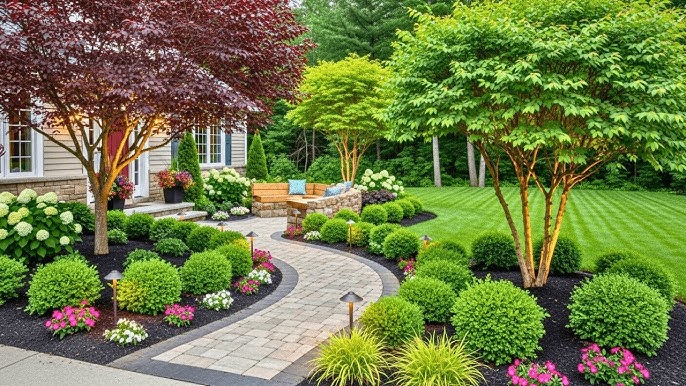
Kdarchitects landscape ideas from morph is a modern outdoor design concept that turns gardens, patios, yards, and small outdoor corners into beautiful, useful, and peaceful living spaces. Instead of seeing the garden as a separate area outside the home, this approach treats it like an open-air room. Every plant, path, seating area, wall, light, and material should have a clear purpose.
The main idea is simple: outdoor spaces should look good, feel good, and work well in daily life. A garden should not only be a place to look at from a window. It can become a dining area, a reading corner, a family gathering spot, a quiet retreat, or a stylish extension of the home.
This design style blends architecture, landscaping, sustainability, and comfort. It focuses on structure, balance, natural beauty, practical zones, strong materials, native plants, and smooth indoor-outdoor flow. Whether the space is a small courtyard, a narrow backyard, a front yard, a balcony, or a large garden, the same rule applies: plan first, decorate later.
What Is kdarchitects landscape ideas from morph?
Kdarchitects landscape ideas from morph refers to a landscape design approach that combines architectural planning with natural garden beauty. The word “morph” means to change or transform. In outdoor design, it means changing a plain or unused area into a well-planned, relaxing, and functional space.
This approach is different from simply adding plants or buying outdoor furniture. It starts with the shape of the space. Then it looks at how people will use that space. After that, it adds plants, materials, lighting, pathways, seating, privacy, and decorative details in a balanced way.
For example, a basic backyard may become three useful zones: a stone patio for dining, a soft planted border for privacy, and a small seating area with warm lights. A narrow city garden may use vertical planting, slim benches, gravel paths, and wall lighting to feel larger. A front yard may use clean paths, native shrubs, and soft lights to create a welcoming entrance.
The goal is not to make the garden look expensive. The goal is to make it feel thoughtful, natural, and easy to enjoy.
Why kdarchitects landscape ideas from morph Works So Well
This design style works because it solves a common problem. Many outdoor spaces are filled with random items: a few chairs, some pots, a patch of grass, a path, and maybe a light. However, without a clear plan, the space can feel unfinished.
Kdarchitects landscape ideas from morph begins with purpose. It asks important questions before the design starts. Where does the sun shine? Where does water collect? Where is privacy needed? Where should people sit? How will people walk through the space? Which plants will grow well? What materials will last in the weather?
Because of this planning, every part of the garden has a job. The patio supports dining. The path guides movement. The plants create softness and privacy. The lights make the garden usable at night. The furniture supports comfort. The materials connect the outdoor space with the home.
This makes the final garden feel complete. It also makes it easier to maintain because the design is based on real needs, not quick trends.
Main Design Philosophy Behind Morph Landscape Ideas
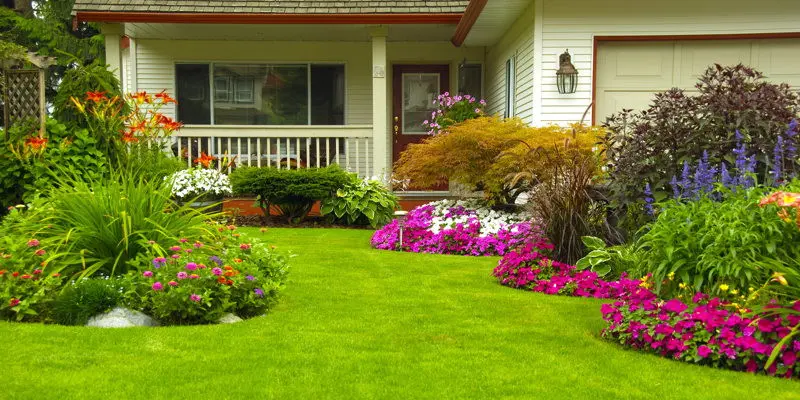
The Morph design philosophy is based on balance, flow, and transformation. It does not force nature and architecture to compete. Instead, it brings them together.
The architectural side gives the garden structure. This includes patios, decks, walls, steps, pergolas, pathways, edging, and built-in seating. These features create order and shape. They help people understand how to move through the garden and how to use each area.
The natural side brings softness and life. This includes trees, shrubs, flowers, grasses, climbers, herbs, and ground cover. These features add color, texture, scent, shade, movement, and seasonal change.
When both sides work together, the garden feels calm and useful. It does not feel too hard, too messy, or too empty. Instead, it feels balanced, like a well-designed room with fresh air and greenery.
Start with a Full Garden Assessment
Before adding anything new, study the outdoor space carefully. This is one of the most important steps in any good landscape plan.
First, check sunlight. Notice which parts of the garden get morning sun, afternoon sun, full sun, or deep shade. This helps you choose the right location for seating and plants. A sunny area may work well for a dining patio, herbs, lavender, or drought-tolerant plants. A shaded area may be better for ferns, hostas, evergreen shrubs, or a peaceful bench.
Next, check drainage. After rain, look for puddles or muddy patches. Poor drainage can damage plants, paving, lawns, and furniture. If water sits in one area, you may need gravel, raised beds, better soil, or a slight slope to move water away.
Then, check the soil. Clay soil holds water. Sandy soil drains quickly. Poor soil may need compost, mulch, or organic matter. Good soil helps plants grow stronger and reduces future problems.
Also, look at existing features. Old walls, mature trees, stone paths, fences, steps, and raised areas may become design assets. A mature tree can provide shade. An old brick wall can become a backdrop for climbing plants. A worn patio may be refreshed instead of removed. Therefore, working with existing features can save money and add character.
Create Smart Garden Zones
Zoning is a key part of modern outdoor design. It means dividing the garden into clear areas for different uses.
A dining zone should sit close to the kitchen or back door. This makes it easier to carry food, drinks, and dishes outside. A lounge zone can be placed where the evening sun feels warm or where the best view is. A quiet zone can sit near the back of the garden with soft planting around it. A children’s play zone should be safe, open, and easy to watch.
Even small spaces can use zones. A balcony may have a chair zone, a plant zone, and a small table. A tiny courtyard may have one bench, one vertical garden wall, and one narrow path. A long narrow backyard may use stepping stones to lead from one area to another.
The trick is to connect the zones. Repeated materials, matching planters, soft lighting, and clear paths can make different areas feel like one complete garden.
Balance Hardscaping and Softscaping
A strong garden needs both hardscaping and softscaping. Hardscaping means solid features such as patios, paths, walls, decking, pergolas, gravel, edging, steps, and built-in seating. Softscaping means living features such as trees, shrubs, grass, flowers, climbers, herbs, and ground cover.
If a garden has too much hardscaping, it may feel cold. If it has too much planting without structure, it may feel messy. Therefore, balance matters.
A stone patio can give the garden a strong base. Plants around the edge can soften it. A timber deck can create warmth. Tall grasses beside it can add movement. A gravel path can guide people through the space. Low plants along the sides can make the path feel natural.
This balance is one reason kdarchitects landscape ideas from morph feels practical and attractive. The hard materials create order, while the plants create life.
Choose Durable Outdoor Materials
Outdoor materials must handle sun, rain, wind, moisture, temperature changes, and regular use. So, durability is just as important as style.
Natural stone is a strong choice for patios, paths, steps, and borders. It feels timeless and blends well with greenery. Local sandstone or granite can work especially well because it often suits the surrounding environment.
Gravel is useful for budget-friendly paths, informal seating areas, and drainage-friendly surfaces. It is simple, natural, and easy to refresh.
Timber adds warmth. It can be used for decking, screens, benches, raised beds, and pergolas. FSC-certified timber is a responsible choice because it supports better forest management. Cedar and larch are popular outdoor options because they have a natural look and can age beautifully.
Corten steel adds a modern touch with its warm rust-colored finish. It works well for planters, edging, screens, and feature walls. Powder-coated aluminium is also useful for outdoor furniture and structures because it is light, clean, and weather-resistant.
The best material palette should stay simple. Too many materials can make the garden feel busy. A calm mix of stone, timber, gravel, metal, and plants often works best.
Use Native and Climate-Friendly Plants
Plants are the heart of the garden. However, the best plants are not always the most colorful ones. The best plants are the ones that suit the space, soil, sunlight, and climate.
Native plants are often a smart choice because they are adapted to local conditions. They can support bees, butterflies, birds, and other wildlife. They may also need less water and care once established.
Climate-friendly planting means choosing plants that match the garden’s real conditions. A sunny, dry area may need drought-tolerant plants. A shady corner may need ferns, hostas, or shade-loving shrubs. A windy garden may need strong hedges, tough grasses, or shelter planting.
Layering is also important. Taller shrubs or small trees can form the back layer. Medium plants can fill the middle. Low plants can soften the front edge. Evergreen plants can give year-round structure, while seasonal flowers add color and change.
A good planting plan uses leaves, shapes, heights, and textures, not only flowers. This keeps the garden attractive even when flowers are not blooming.
Design Small Gardens with Morph Thinking
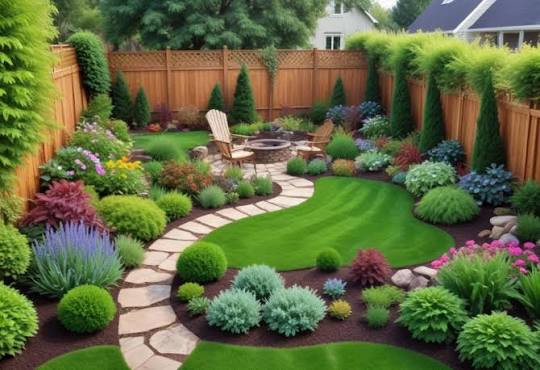
Small gardens can look amazing when they are planned well. In fact, Morph-style thinking works especially well in compact spaces because every inch matters.
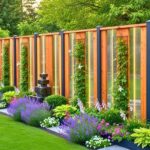
Vertical design is very useful. Trellis panels, wall planters, climbing plants, tall narrow shrubs, and slim screens can add greenery without taking up much floor space. Built-in benches can save space and may also include hidden storage.
Light-colored paving can make a small garden feel brighter. Clear sightlines can make the space feel longer. Repeating one or two materials can create a calm look. Large pots can look better than many tiny pots because they feel more intentional.
For example, a small city garden could include a gravel path, one timber bench, a wall of climbing plants, two large planters, and warm string lights. This simple design may feel more elegant than a crowded space full of small items.
Add Outdoor Living Comfort
A garden should invite people to spend time outside. That means comfort is important.
Furniture should match the size of the space. A large outdoor sofa may work in a big yard, but it can overwhelm a small patio. Modular furniture is useful because it can be moved and rearranged. Foldable chairs and small tables work well in compact areas.
Shade also matters. Pergolas, umbrellas, trees, screens, and fabric canopies can make the garden more comfortable during sunny weather. Wind protection can help exposed spaces feel calmer.
Outdoor rugs, cushions, side tables, and planters can make a patio feel like a real room. However, choose weather-resistant pieces that are easy to clean. A beautiful garden should not become a maintenance burden.
Use Lighting for Mood and Safety
Lighting can completely change the garden after sunset. It also makes the space safer and more useful.
Warm lighting usually works best. It feels soft and relaxing. String lights can make a seating area feel cozy. Path lights can guide people safely. Wall lights can brighten entrances. Lanterns can add charm to patios and decks.
Motion-sensor lights are useful near gates, side paths, driveways, and doors. They improve safety without keeping the whole garden bright all night.
Feature lighting can highlight a tree, a textured wall, a water feature, or a sculpture. However, the garden should not be overlit. Soft, focused lighting often looks more natural and elegant.
Add Privacy Without Closing the Space
Privacy is important, especially in city homes, narrow gardens, and close neighborhoods. However, privacy should not make the garden feel dark or boxed in.
Plants are often the best solution. Tall grasses, hedges, bamboo screens, pleached trees, climbing plants, and evergreen shrubs can block views while keeping the space natural.
Timber screens, metal panels, and pergolas can also help. A pergola with climbing plants can create privacy from above. A raised planter can block low views. A trellis can soften a plain fence and add greenery.
The goal is to create a feeling of shelter, not a heavy wall. A mix of plants and simple structures usually works best.
Add Water Features for Calm
Water features bring sound, movement, and peace to a garden. Even a small water feature can change the mood of an outdoor space.
A small fountain can work well in a courtyard. A wall-mounted water feature can save space in a narrow garden. A shallow reflecting pool can create a modern, calm look. A pond can become a main feature in a larger garden.
Water can also help cover unwanted noise from roads or neighbors. However, the water feature should match the size of the garden. A large fountain can overwhelm a tiny space, while a very small feature may disappear in a large yard.
Simple water features are often best because they are easier to clean and maintain.
Connect Indoor and Outdoor Spaces
One of the strongest ideas in kdarchitects landscape ideas from morph is the connection between the home and the garden. The outdoor area should feel like a natural extension of the indoor rooms.
Large glass doors can create this connection, but they are not the only way. Similar colors, matching materials, clear views, and repeated textures can also help.
For example, if the home has warm wood tones, the garden can use timber decking or wooden furniture. If the kitchen has stone details, the patio can use natural stone. If the living room has a calm neutral style, the outdoor space can repeat that feeling with simple furniture, soft lighting, and natural planting.
When indoor and outdoor spaces feel connected, the garden becomes part of daily life.
Budget-Friendly kdarchitects landscape ideas from morph
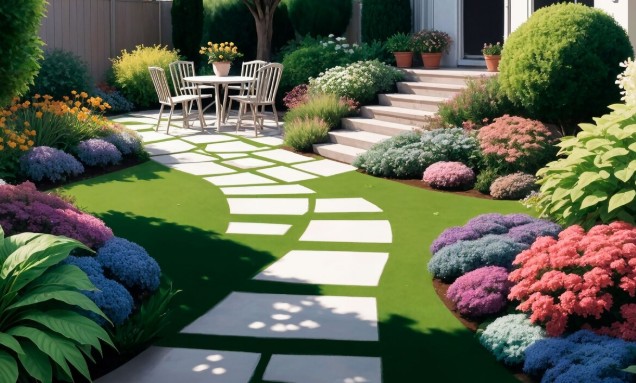
A beautiful garden does not always require a large budget. Good planning is more important than expensive features.
Start by cleaning the space. Remove broken pots, dead plants, old furniture, and clutter. Then decide how the garden should be used. After that, improve one area at a time.
Gravel paths are often more affordable than full paving. Raised beds can make planting easier. Solar lights can add mood without wiring. Native plants can reduce long-term care. Reused furniture can work well if it is cleaned, painted, or protected for outdoor use.
Focus on the most-used area first. A simple seating corner with plants, lighting, and a small table can make a big difference.
Common Garden Design Mistakes to Avoid
One common mistake is copying a garden photo without thinking about real conditions. A plant that looks good online may not survive in the local soil, shade, or weather.
Another mistake is using too many materials. A garden with several paving styles, too many colors, and too many decorations can feel messy. A simple material palette looks cleaner.
Poor drainage is also a serious mistake. Water problems should be fixed before patios, paths, or planting beds are added.
Oversized furniture can make a small garden feel cramped. Furniture should fit the scale of the space and leave enough room to move.
Finally, many people forget lighting. Without lighting, the garden may not be useful in the evening. A few warm lights can make the space feel safer and more welcoming.
Easy Maintenance Tips
A good garden should be beautiful but also easy to care for. Mulching helps protect soil, reduce weeds, and hold moisture. Pruning keeps plants healthy and tidy. Cleaning patios and paths prevents dirt buildup. Checking lights keeps the garden safe at night.
Plants should be checked often for dry soil, pests, or disease. Timber may need treatment depending on the type. Outdoor cushions should be stored or covered during bad weather.
Seasonal care also helps. In spring, clean furniture and refresh planting. In summer, monitor watering. In autumn, clear leaves and add mulch. In winter, protect delicate pots and check hard surfaces for damage.
With simple care, a Morph-inspired garden can stay useful and attractive for many years.
Frequently Asked Questions About kdarchitects landscape ideas from morph
Kdarchitects landscape ideas from morph means a landscape design approach that transforms outdoor spaces with smart planning, architectural structure, natural materials, native plants, useful zones, lighting, privacy, and outdoor comfort.
Yes, it works very well for small gardens because it uses zoning, vertical planting, built-in seating, simple materials, and clear layouts to make compact spaces feel larger and more useful.
The best materials include natural stone, gravel, local sandstone, granite, FSC-certified timber, cedar, larch, Corten steel, and powder-coated aluminium because they are durable and suitable for outdoor use.
Native plants are important because they match local conditions, support wildlife, often need less care, and help create a healthier and more sustainable garden.
You can connect your garden to your home by using similar colors, matching materials, clear views, repeated textures, and outdoor zones that feel like natural extensions of indoor rooms.
Yes, you can use this idea on a low budget by cleaning the space, adding gravel paths, using native plants, improving lighting, reusing existing features, and creating one useful zone at a time.
Warm and soft lighting works best. Path lights, string lights, lanterns, wall lights, and motion-sensor lights can improve safety, mood, and evening use.
Use climate-friendly plants, mulch the soil, prune regularly, avoid overcrowding, clean hardscape areas, check drainage, and choose durable outdoor materials.
Yes, it works for front yards too. A front yard can use structured planting, clean paths, natural materials, lighting, and low-maintenance shrubs to create a welcoming entrance.
The main goal is to turn outdoor spaces into beautiful, comfortable, sustainable, and useful areas that feel connected to the home and support everyday living.
Final Thoughts
Kdarchitects landscape ideas from morph gives homeowners and design lovers a smart way to create outdoor spaces that feel stylish, natural, and practical. It is not about filling a garden with expensive items. Instead, it is about making thoughtful choices that improve comfort, movement, privacy, beauty, and everyday use.
The best results begin with understanding the space. Sunlight, soil, drainage, existing features, privacy needs, and lifestyle should guide the design. After that, clear zones, durable materials, native plants, soft lighting, comfortable furniture, and simple details can bring everything together.
This design approach works because it treats the garden as part of the home. A plain backyard can become a peaceful retreat. A small patio can become a cozy dining space. A narrow garden can feel wider and more useful. A front yard can become more welcoming.