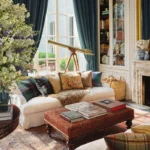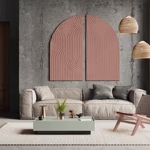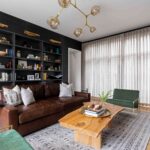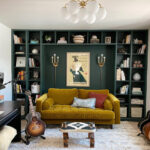

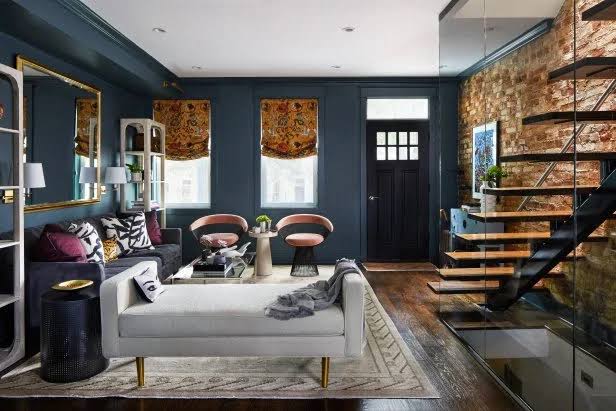
Interior design drhomey is a simple, practical, and budget-friendly way to make your home look beautiful while keeping it comfortable and useful for daily life. It is not only about expensive furniture, trendy colors, or picture-perfect rooms. Instead, it focuses on smart choices that improve how a room looks, feels, and works. Therefore, this design idea is helpful for homeowners, renters, apartment dwellers, families, and anyone who wants a better home without wasting money.
The main goal is to create a home that feels calm, organized, warm, and personal. A DrHomey-style space uses good lighting, balanced colors, useful furniture, smart storage, natural materials, plants, and clean layouts. Moreover, it encourages people to design around real life first. That means your living room should support relaxing and conversation, your kitchen should make cooking easier, your bedroom should help you rest, and your bathroom should feel clean and peaceful.
| Quick Overview | Details |
| Main idea | Practical, stylish, and comfortable home design |
| Best for | Homeowners, renters, small homes, apartments, and budget makeovers |
| Key rules | 60-30-10 color rule, 3-5-7 styling rule, layered lighting |
| Main focus | Function, comfort, beauty, storage, and calm spaces |
| Budget level | Works for low-cost refreshes and full renovations |
| Common upgrades | Paint, lighting, rugs, curtains, plants, mirrors, hardware, storage |
| Design style | Modern, simple, warm, organized, and intentional |
What Is Interior design drhomey?
Interior design drhomey is a home design approach that focuses on making every room beautiful, comfortable, and useful. It combines interior styling, home improvement, organization, lighting, color planning, and simple DIY upgrades. In simple words, it helps you make your home look better and work better at the same time. It is best understood as a practical design resource or philosophy, not as one single public interior designer or celebrity figure.
This approach treats the home as a personal sanctuary. As a result, it avoids clutter, poor lighting, uncomfortable furniture, and decorations that do not serve a purpose. Instead of chasing every short-lived trend, it encourages you to choose long-lasting pieces, warm materials, natural light, and layouts that support your daily routine. Therefore, the home feels more peaceful, more organized, and easier to live in.
Why Interior design drhomey Matters
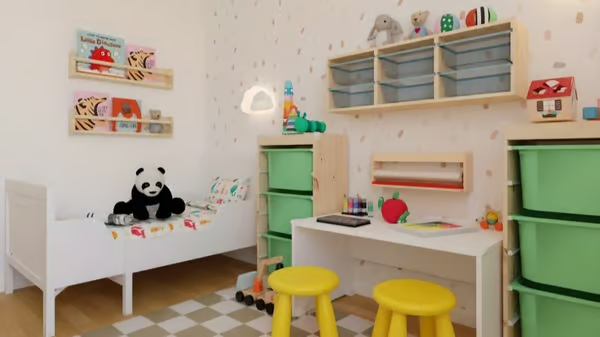
A well-designed home can change how you feel every day. When a room is messy, dark, crowded, or poorly arranged, it can make normal tasks feel harder. However, when the space is clean, bright, and organized, daily life becomes easier. This is why the DrHomey method is useful. It does not only focus on appearance; it also focuses on comfort, movement, storage, safety, and mood.
For example, a simple entryway drop zone can stop shoes, bags, and keys from spreading through the house. A better lamp can make a dark corner feel cozy. A mirror opposite a window can make a small room feel brighter. A large rug can make a living room feel complete. Therefore, even small changes can create a big difference when they are planned with purpose.
The Main Principles of Interior Design DrHomey
The first principle is function before decoration. Before buying paint, furniture, rugs, or accessories, you should ask what the room needs to do. Does the room need more seating, better storage, softer lighting, more walking space, or a calmer mood? Once the function is clear, the design becomes easier and more useful.
The second principle is simplicity. This does not mean the home should feel empty or boring. Instead, it means removing visual noise. Too many decorations, tangled cords, oversized furniture, and cluttered surfaces can make a home feel stressful. Therefore, DrHomey design uses clean surfaces, hidden storage, meaningful décor, and enough empty space to let the room breathe.
The third principle is warmth. A home should not feel like a cold showroom. It should feel welcoming. You can create warmth with soft curtains, textured pillows, woven baskets, jute rugs, wood tones, warm white bulbs, indoor plants, framed artwork, and personal details. As a result, the room feels stylish but still comfortable.
Use the 60-30-10 Color Rule
One of the most useful color ideas in Interior design drhomey is the 60-30-10 rule. This rule helps you create a balanced room without guessing. Around 60% of the room should be your main color. This usually includes walls, large furniture, or a large rug. Then, 30% should be a secondary color used for curtains, accent chairs, bedding, or a feature wall. Finally, 10% should be an accent color used in pillows, artwork, lamps, vases, or small décor.
For example, you can use warm beige as the main color, soft olive green as the secondary color, and brass or terracotta as the accent color. This creates a room that feels calm but not boring. Similarly, a bedroom can use warm white walls, gray-blue bedding, and small gold accents. Because the rule is simple, it helps beginners decorate with more confidence.
Choose Paint Colors Based on Light
Paint colors can change depending on natural light. Therefore, DrHomey design recommends testing paint on real walls before painting the whole room. A color that looks perfect online may look too blue, too yellow, or too dark inside your home. This often happens because light direction changes undertones.
North-facing rooms usually receive cooler light, so gray paint may look blue. In these rooms, warm gray, cream, beige, or greige can work better. South-facing rooms often receive warmer light, so cooler colors like soft blue, green, or crisp gray can help balance the space. East-facing rooms are bright in the morning and darker later, so soft warm neutrals are a safe choice. West-facing rooms can become warm in the afternoon, so flexible neutral colors often work well.
In dark hallways or rooms with little natural light, warm white paint can make the space feel brighter. Also, using a color with a higher light-reflecting value can help bounce more light around the room. However, you should still test a sample first because every home has different lighting.
Layer Lighting for a High-End Look
Lighting is one of the easiest ways to make a home feel expensive. A room with only one overhead light can look flat and harsh. However, layered lighting creates depth, comfort, and style. In Interior design drhomey, lighting is usually divided into three types: ambient lighting, task lighting, and accent lighting.
Ambient lighting gives general light to the whole room. Task lighting helps with specific activities such as reading, cooking, working, or applying makeup. Accent lighting highlights artwork, shelves, plants, or architectural details. For living rooms and bedrooms, warm white bulbs around 2700K to 3000K create a cozy feeling. For kitchens and bathrooms, brighter white light around 3500K to 4000K is usually better. For garages, workspaces, and utility areas, daylight bulbs around 5000K to 6000K can improve visibility.
Plan Furniture for Flow and Comfort
Furniture should make a room easier to use, not harder. One common mistake is pushing every piece of furniture against the wall. This can make a living room feel stiff, like a waiting area. Instead, pull furniture slightly away from the wall when possible. Even a few inches can make the room feel more planned and comfortable.
You should also keep clear walking paths. If people have to squeeze around a sofa, table, or chair, the furniture is probably too large or placed incorrectly. In smaller homes, multifunctional furniture is very useful. Storage beds, folding tables, nesting tables, modular sofas, wall shelves, and ottomans with hidden storage can save space while keeping the home practical.
Use Rugs to Define Spaces
Rugs are not only decorative. They also help define zones in a room. In a living room, the rug should be large enough to connect the main furniture pieces. Ideally, the front legs of the sofa and chairs should sit on the rug. This makes the seating area feel complete and grounded.
In an open-plan home, rugs can separate the living area from the dining area or work corner. However, the rug should match the scale of the room. A rug that is too small can make the space feel unfinished. Therefore, measure before buying. This simple step can prevent one of the most common interior design mistakes.
Add Texture for Warmth and Depth
A room can have the right colors and still feel flat if it has no texture. Texture gives the eye something to enjoy. It also makes a space feel warm and layered. DrHomey-style rooms often use woven baskets, linen-look curtains, chunky knit throws, jute rugs, wood furniture, ceramic vases, stone accents, soft bedding, and natural fabrics.
For example, a beige living room may look plain at first. However, when you add a jute rug, a wood coffee table, linen curtains, a soft throw, and a plant, the room starts to feel rich and complete. Therefore, texture is one of the easiest ways to create a high-end look without spending too much.
Follow the 3-5-7 Styling Rule
The 3-5-7 styling rule is a simple way to decorate shelves, coffee tables, mantels, and sideboards. It means arranging décor in odd-numbered groups, such as three, five, or seven items. Odd numbers usually look more natural and less stiff than even numbers.
For example, on a coffee table, you can place three items: a stack of books, a small plant, and a ceramic bowl. On a shelf, you can mix five items: a frame, a vase, a candle, a small basket, and a decorative object. However, every item should not be the same height or shape. Mix tall, short, round, flat, soft, and hard pieces to create balance.
Interior Design DrHomey for the Living Room
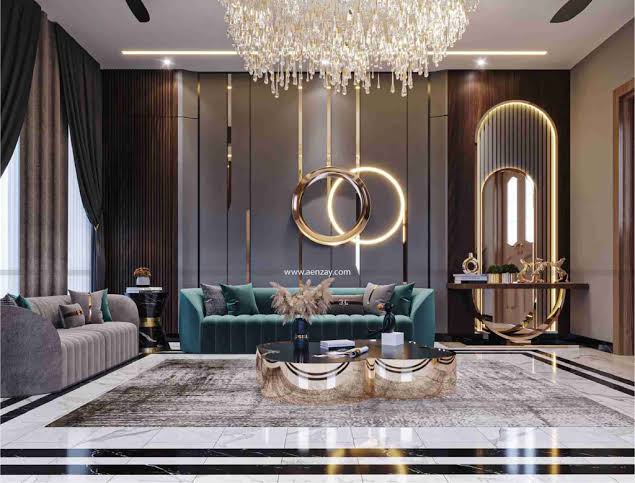
The living room should feel comfortable, welcoming, and easy to move through. Start with the main seating area. Choose a sofa that fits the room and leaves enough walking space. Then, add chairs, a coffee table, and a rug that connects the furniture. If the room feels too empty, add texture with pillows, throws, curtains, baskets, and plants.
Wall art can also improve the living room, but it should not be hung too high. A common rule is to place the center of the artwork around eye level, usually about 57 to 60 inches from the floor. Also, avoid filling every wall. A few meaningful pieces often look better than many random decorations.
Interior Design DrHomey for the Kitchen
The kitchen should be clean, efficient, and easy to use. Clear countertops are important because they give you more space to cook. Use vertical storage where possible, such as shelves, hooks, magnetic strips, and tall cabinets. Group pantry items by use, such as breakfast, snacks, baking, and dinner ingredients.
If you want a budget-friendly kitchen refresh, consider painting cabinets, changing hardware, improving lighting, and organizing drawers. However, cabinet painting needs proper preparation. Cabinets should be cleaned, degreased, sanded, and primed when needed. Otherwise, paint may peel later. Small upgrades like matte black handles, brass knobs, under-cabinet lights, and clear containers can make the kitchen feel more modern without a full remodel.
Interior Design DrHomey for the Bedroom
A bedroom should help you rest. Therefore, the design should feel calm, soft, and simple. Muted colors like soft blue, sage green, warm gray, cream, beige, and light brown work well. Blackout curtains can improve sleep, while warm lamps can create a peaceful mood at night.
The bed should be the main focus. Use clean bedding, comfortable pillows, and a soft throw to make it look inviting. Hidden storage is also helpful. Under-bed boxes, storage benches, and nightstands with drawers can reduce clutter. Additionally, keeping fewer electronics in the bedroom can make the space feel more restful.
Interior Design DrHomey for the Bathroom
A bathroom can feel spa-like without a full renovation. Start by improving lighting. Wall sconces at eye level can make the mirror area more useful and flattering. Then, add soft towels, a bamboo bath mat, woven baskets, and simple trays for daily products. Humidity-friendly plants can also add freshness.
Storage is especially important in bathrooms. If every product is visible, the room can feel crowded. Therefore, use baskets, drawer dividers, shelves, and medicine cabinet organizers. Large-format tiles, simple mirrors, and warm white paint can also make a small bathroom feel cleaner and bigger.
Organization and the 15-Minute Cleaning Method
Interior design is not only about furniture and colors. It is also about how the home works every day. Clutter can make a room feel stressful, even if the décor is beautiful. Therefore, DrHomey-style organization focuses on small, practical systems.
One useful idea is the 15-minute cleaning method. Instead of trying to clean the whole house at once, set a timer for 15 minutes and clean one small area. This could be a junk drawer, a bathroom counter, a coffee table, or one kitchen cabinet. Because the task is small, it feels less overwhelming. Over time, these short resets can make the home easier to maintain.
Create Drop Zones and Grab-and-Go Zones
A drop zone is a small organized area near the entrance. It may include hooks for bags, a shoe rack, a small bench, a basket for mail, and a tray for keys. This helps stop clutter before it spreads through the home. As a result, the entrance feels cleaner and daily routines become smoother.
A grab-and-go zone works well in the fridge or pantry. Place healthy snacks, fruit, lunch items, or breakfast foods in clear containers at eye level. This makes useful items easy to see and reach. Therefore, the home supports better habits without needing a complicated system.
Budget-Friendly Interior Design DrHomey Ideas
You do not need a large budget to improve your home. For a low-cost refresh, start with paint, lighting, curtains, pillows, plants, mirrors, rugs, and cabinet hardware. These changes can make a room feel new without major construction. You can also “shop your home” by moving lamps, rugs, artwork, or baskets from one room to another.
Secondhand shopping can also work well. Vintage mirrors, solid wood tables, frames, baskets, and lamps often look more unique than cheap new items. With cleaning, paint, or new hardware, many secondhand pieces can look custom. Therefore, the DrHomey method supports affordable luxury through creativity, not overspending.
Budget Tiers for a DrHomey Makeover
A simple weekend refresh can cost around a few hundred dollars if you focus on paint, lighting, pillows, cabinet hardware, and small décor. This is a good option when a room feels dull but the main furniture still works.
A mid-range room makeover may include a quality rug, one statement furniture piece, custom-looking curtains, and smart LED lighting. This level works well when the room needs more structure and personality. A larger transformation may include flooring, built-in shelves, a durable sofa, and professionally installed layered lighting. However, it is important to remember that DIY project prices usually show material costs only, while contractor quotes include labor, skill, insurance, time, and profit.
Interior Design DrHomey for Renters
Renters can use this design approach without making permanent changes. Safe upgrades include peel-and-stick wallpaper, removable hooks, plug-in sconces, large rugs, curtains, freestanding shelves, tension rods, plants, and furniture rearrangement. Swapping cabinet hardware can also work if the original handles and screws are saved.
However, renters should be careful with painting, drilling into tile, or making changes that could damage the property. Written permission is always better before making bigger updates. The best renter-friendly design choices are removable, useful, and easy to take when moving.
Smart Home Ideas in Interior Design DrHomey
Modern home design can include smart technology, but it should not make the room feel cluttered. Concealed technology is important. This can include hidden cords, frame-style TVs, built-in charging stations, cable boxes, smart plugs, and motorized blinds.
Smart thermostats and smart lighting can also improve comfort and energy use. For example, warm lighting in the evening can make the home feel calmer, while brighter task lighting can help in kitchens and workspaces. However, technology should support the home, not dominate it. The room should still feel warm, natural, and human.
Bring Nature Into the Home
Natural elements are a major part of DrHomey-inspired interiors. Plants, wood, stone, jute, linen, cotton, natural light, and earthy colors can make a home feel fresh and balanced. This idea is often called biophilic design, which means connecting indoor spaces with nature.
You do not need many plants to get this effect. A few easy-care plants, a wooden tray, a woven basket, a stone-textured vase, or linen curtains can make a room feel softer. Also, placing a mirror opposite a window can reflect natural light and make a small room feel larger.
Exterior Design DrHomey Ideas
Although the keyword focuses on interiors, the DrHomey idea can also apply to outdoor spaces. The exterior should match the home’s architecture and feel connected to the inside. Warm neutral paint colors, clean pathways, layered landscaping, native plants, outdoor seating, and soft pathway lighting can improve curb appeal.
Before painting the exterior, test colors outside and look at them in the morning, noon, and evening. Outdoor light changes throughout the day, so a color can look very different at different times. Also, patios, porches, and decks should work like outdoor rooms. Add shade, comfortable seating, weather-resistant furniture, privacy, and warm lighting to make them useful.
Common Mistakes to Avoid
One common mistake is buying furniture before measuring. This can lead to cramped rooms and blocked walkways. Another mistake is choosing paint based only on online pictures. Paint should always be tested in the real room. A third mistake is using only one overhead light. Rooms usually look better with lamps, sconces, and accent lights.
Other mistakes include hanging art too high, buying matching furniture sets, ignoring storage, overdecorating walls, and following trends that do not match your lifestyle. Instead, choose pieces that fit your space, support your routine, and feel good over time.
How to Start With Interior Design DrHomey
The best way to start is to choose one room and one problem. Do not try to redesign the whole house in one day. For example, if your living room feels dark, improve lighting first. If your kitchen feels messy, organize the counters and pantry. If your bedroom feels stressful, simplify the nightstands and add softer bedding.
After that, make one small upgrade at a time. Move furniture before buying new pieces. Test paint before painting the whole wall. Add storage before adding more décor. This step-by-step method keeps the process simple, affordable, and less stressful Inspire Me Home Decor.
Frequently Asked Questions About Interior design drhomey
Yes, it works very well for small homes because it focuses on smart space use, light colors, multifunctional furniture, mirrors, wall shelves, hidden storage, and clear walking paths. These ideas can make a small room feel larger and more organized.
The 60-30-10 rule is a color formula. It means 60% of the room uses a main color, 30% uses a secondary color, and 10% uses an accent color. This helps the room look balanced and stylish.
The easiest upgrade is improving lighting and removing clutter. Add a warm lamp, clear surfaces, organize daily items, and create a simple storage zone. These changes are affordable but can quickly improve the room.
Yes, renters can use removable upgrades such as rugs, curtains, peel-and-stick wallpaper, plug-in lights, removable hooks, tension rods, plants, and furniture rearrangement. These changes improve the space without permanent damage.
Light and warm colors often work best, such as white, cream, beige, greige, light gray, light brown, soft blue, and sage green. However, the best color depends on the room’s natural light and purpose.
Use layered lighting, large rugs, curtains hung high and wide, matching hardware, clean surfaces, framed art, mirrors, plants, textured fabrics, and secondhand furniture. These details can create an expensive look without a high price.
Yes, organization is an important part of the method. A beautiful room will not feel peaceful if it is cluttered. Drop zones, pantry groups, drawer dividers, under-sink storage, and 15-minute cleaning resets can help keep the home easy to maintain.
No, the same ideas can also work outdoors. Exterior DrHomey ideas include warm paint colors, clear paths, layered landscaping, outdoor seating, pathway lights, native plants, and patios designed like outdoor rooms.
Conclusion
Interior design drhomey is a practical and modern way to create a home that feels beautiful, comfortable, and useful. It focuses on real life, not perfection. With smart colors, layered lighting, better furniture placement, useful storage, natural textures, and budget-friendly upgrades, any home can feel more stylish and peaceful.
The best part is that you do not need a huge renovation budget to begin. Start small. Clear one surface, add one lamp, test one paint color, organize one drawer, or move one piece of furniture. Over time, these simple choices can turn your home into a calm, welcoming space that supports your daily life.