

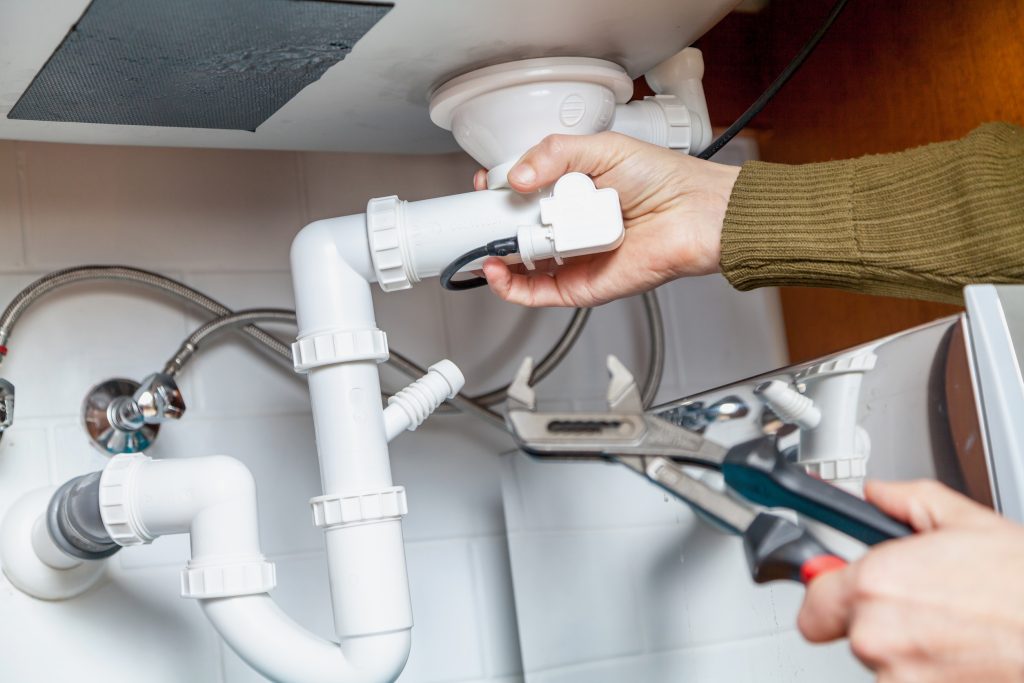
P trap plumbing is one of the most important parts of a home drainage system, even though many people never think about it until a sink smells bad, drains slowly, or starts leaking. This small curved pipe under a sink, shower, tub, or floor drain does a big job every single day. It helps wastewater leave the home, blocks sewer gases from coming back inside, and catches debris before it travels deeper into the pipes.
At first glance, a P-trap may look like a simple bend in the pipe. However, it works like a small water guard. A little water stays inside the curved part of the trap after each use. That water creates a seal between the living space and the sewer or septic system. Without that seal, unpleasant and unsafe sewer odors could move back through the drain and into the room.
A P-trap also helps with everyday plumbing problems. For example, if a ring slips into a bathroom sink or food bits fall into a kitchen drain, the trap may catch them before they disappear into the main drain line. Because of this, the P-trap is not just a pipe. It is a safety feature, odor blocker, debris catcher, and cleaning access point all in one.
What Is P Trap Plumbing?
P trap plumbing refers to the curved drain pipe installed below fixtures such as bathroom sinks, kitchen sinks, laundry sinks, tubs, showers, and some floor drains. It gets its name from its shape. When viewed from the side, the pipe looks somewhat like the letter “P.” The lower curved section is often called the J-bend or U-bend, while the horizontal pipe connects the trap to the wall drain.
The basic idea is simple. Water flows down the drain, passes through the curved part of the trap, and then continues into the drain line. However, not all the water leaves. A small amount stays in the bend. This standing water forms a seal that blocks gases from traveling backward through the pipe.
This is why a P-trap is required in many modern plumbing systems. It protects the home from sewer gas, supports better drainage, and makes basic cleaning easier. In most homes, every fixture that connects to a sanitary drain needs some type of trap.
How Does a P-Trap Work?
A P-trap works by using water as a barrier. Every time someone runs water in the sink, shower, or tub, wastewater flows through the trap. As the water moves through the curved section, a small amount remains behind. This leftover water sits in the bend and seals the pipe.
Think of it like a door made of water. Wastewater can pass through when the fixture is used, but sewer gases cannot easily pass back through because the water is blocking the way. This seal is usually deep enough to stop odors while still allowing normal drainage.
There is also an important point called the weir. The weir is the spot where water begins to spill from the curved trap into the horizontal pipe. The standing water below this point creates the trap seal. In many P-traps, this water seal is around 1½ to 2 inches deep.
Each time the fixture is used, fresh water replaces the old water in the trap. This keeps the seal working and helps prevent stale odors. However, if a drain is not used for a long time, the water in the trap can evaporate. When that happens, the seal disappears, and sewer smells may enter the room.
Why P Trap Plumbing Is So Important
The biggest purpose of p trap plumbing is odor control. Sewer systems can contain gases that smell bad and may be harmful in high amounts. These gases can include methane and hydrogen sulfide. A working P-trap helps keep those gases where they belong: inside the drainage system, not inside the home.
However, odor control is only one benefit. A P-trap also catches debris. Hair, soap scum, grease, food particles, sediment, and small items can collect in the trap instead of moving deeper into the plumbing system. This can prevent harder-to-reach clogs.
For example, if a wedding ring falls into a bathroom sink, it may land in the P-trap. Because the trap can often be removed, the item may be recovered without tearing into the wall or floor. In this way, the trap acts like a small safety net.
P-traps also make drain cleaning easier. If a clog forms under the sink, the curved part can often be removed, cleaned, and reinstalled. This is much simpler than trying to clear a blockage far down the drain line.
Common Places Where P-Traps Are Used
P-traps are found in many areas of the home. They are most common under bathroom and kitchen sinks, but they are also used in other fixtures that connect to the drain system.
Bathroom sinks and vanities usually have visible P-traps inside the cabinet. Kitchen sinks also have P-traps, and if there is a garbage disposal, the trap connects as part of that drain setup. Utility sinks and laundry sinks often use P-traps as well.
Bathtubs and showers also need traps, but they are usually hidden below the floor or inside the structure. Floor drains in basements, garages, and laundry rooms may also use traps to block sewer odors. Washing machine drains and dishwasher drain connections may also involve trap protection depending on the plumbing layout.
The key idea is simple: if a fixture sends wastewater into the sanitary drain system, it usually needs a trap to protect the home from sewer gas.
P-Trap vs. S-Trap
Many people confuse P-traps and S-traps because both have curved shapes. However, they are not the same. A P-trap connects to a horizontal outlet and a properly vented drain system. This design helps the trap keep its water seal.
An S-trap curves downward in a way that looks more like the letter “S.” It was common in older homes, but it is no longer allowed in many modern plumbing codes. The main problem is siphonage. When water flows through an S-trap, it can pull too much water out of the bend. Once the water seal disappears, sewer gases can come back through the drain.
That is why modern plumbing usually uses P-traps instead. A correctly installed and vented P-trap is more reliable because it keeps the water seal in place.
Other Types of Plumbing Traps
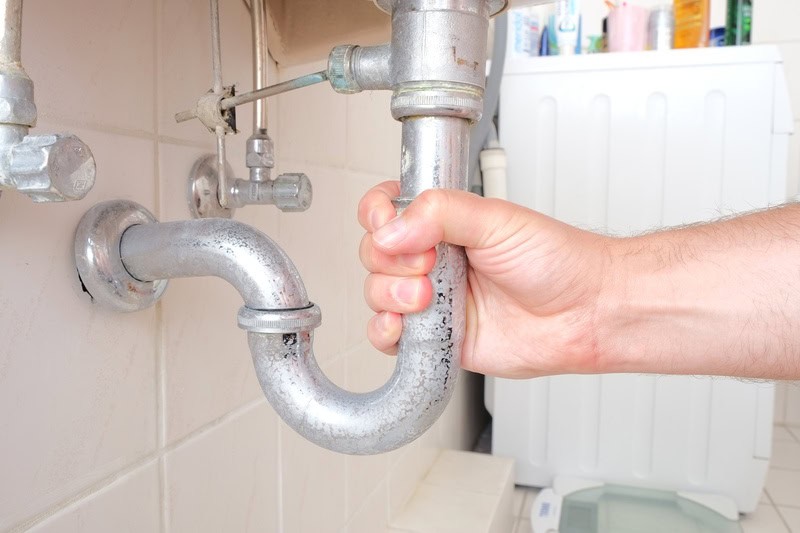
Although P-traps are the most common, they are not the only trap type. Some homes or commercial spaces may have other designs.
A bottle trap is a compact trap often used under bathroom sinks where space is limited or where the trap is visible. It can look cleaner than a standard plastic trap, which is why it is sometimes used with wall-mounted sinks or modern vanities.
A drum trap is an older trap style that may be found in some older homes. It is round and compact, but it can clog more easily and may be harder to clean than a standard P-trap.
A Q-trap is less common in everyday residential plumbing and may be used in some commercial or public restroom settings.
Even though these traps may serve a similar purpose, the correct choice depends on the fixture, space, code requirements, and drain design. For most modern home sinks, p trap plumbing is the standard option.
Common P-Trap Materials
P-traps come in several materials. The best choice depends on the fixture, budget, appearance, and location.
PVC is one of the most common materials in modern homes. It is lightweight, affordable, corrosion-resistant, and easy to install. Many under-sink traps are made from white PVC because it is practical and simple to replace.
ABS is another plastic option. It is often black and used in certain drain systems. Like PVC, it is lightweight and commonly used for plumbing drains.
Polypropylene is also used for tubular P-traps. It resists corrosion and acid reactions, and it is easy to assemble and remove. This makes it useful for basic sink drain setups.
Chrome-plated brass or metal traps are often used where plumbing is visible. They look more polished and can match bathroom fixtures. However, metal traps can cost more and may corrode over time, especially if they are exposed to moisture or harsh cleaners.
Brass and copper traps are more premium choices. They can be durable and attractive, but they are usually more expensive than plastic options.
Common P-Trap Problems
P-traps are simple, but they can still develop problems. The most common issues are clogs, leaks, dry traps, bad odors, and poor alignment.
Clogs happen when hair, grease, soap scum, food scraps, or sediment build up inside the curved section. A clogged P-trap may cause slow drainage, standing water, gurgling sounds, or unpleasant smells.
Leaks often happen around the slip nuts, washers, or pipe joints. Sometimes the nut is loose. Other times, the washer is worn out or the pipe is cracked. Even a small drip should be fixed quickly because water can damage cabinets, floors, and walls.
Dry traps happen when a fixture is not used for a long time. The water inside the trap evaporates, and sewer gas can pass through. This is common in guest bathrooms, basement floor drains, or rarely used sinks.
Bad odors can also come from buildup inside the trap. Food, grease, and soap residue can create a sour smell over time. If running water does not solve the odor, the trap may need cleaning.
Poor alignment can also cause trouble. If the trap does not line up correctly with the sink tailpiece and wall pipe, it may leak or collect debris more easily.
Signs Your P-Trap Needs Attention
Several warning signs can tell you when your P-trap needs cleaning, repair, or replacement.
Slow drainage is one of the most common signs. If water takes longer than usual to leave the sink, debris may be collecting in the trap. Gurgling sounds can also mean air is struggling to move through the drain system properly.
Bad smells are another major warning sign. If a sink, shower, or floor drain smells like sewer gas, the trap may be dry, leaking, cracked, or dirty.
Visible water under the sink is a clear sign of a leak. Check the trap connections, washers, and pipe body. If the leak continues after tightening, a part may need replacement.
A trap that keeps clogging may also point to a deeper issue. If cleaning the trap does not fix the slow drain, the clog may be farther down the drain line.
How to Clean a P-Trap
Cleaning a P-trap is often simple, especially under a sink where the trap is easy to reach. Before starting, place a bucket under the trap because water will spill out when the pipe is removed. It is also smart to wear gloves.
First, loosen the slip nuts on both ends of the curved trap section. Many plastic nuts can be loosened by hand, but pliers may help if they are tight. Be careful not to crack plastic parts or damage metal ones.
Next, remove the curved section and empty the water and debris into the bucket. Use a brush, old toothbrush, or flexible cleaning tool to scrub the inside of the trap. Mild soap and warm water can help remove grime and odor.
After cleaning, rinse the trap well. Then reinstall it by lining it up with the tailpiece and wall pipe. Tighten the slip nuts firmly, but do not overtighten them. Finally, run water for a minute and check for leaks.
For normal household use, cleaning once every 6 to 12 months is a good habit. However, clean it sooner if there is slow drainage, bad odor, or gurgling.
Can You Clean a P-Trap Without Removing It?
Sometimes, yes. If the clog is small, a plunger, flexible drain snake, or natural cleaning method may help. For example, a mix of baking soda and vinegar may loosen light buildup and reduce odor. Afterward, flush the drain with hot water.
However, cleaning without removal does not always work. If hair, grease, or solid debris is packed inside the bend, removing the trap is often more effective. Also, avoid harsh chemical drain cleaners when possible. They can damage some plastic or metal parts, and they may not fully remove the clog.
If a drain stays slow after cleaning the trap, the blockage may be beyond the trap. At that point, a drain snake or professional help may be needed.
Basic P-Trap Installation Steps
Installing p trap plumbing under a sink is usually a straightforward job for someone with basic DIY skills. However, the parts must line up correctly to prevent leaks and drainage problems.
Start by measuring the distance from the sink tailpiece to the wall drain pipe. Then choose the correct trap size and material. Common tools may include an adjustable wrench, channel-lock pliers, a bucket, and possibly pipe joint compound or plumber’s tape depending on the connection type.
Next, connect the J-bend to the sink tailpiece. Then connect the horizontal trap arm to the wall drain. Slip nuts and washers create the seals at the connections. Hand-tighten the nuts first, then use pliers for a small extra turn if needed. A quarter turn is often enough. Overtightening can crack plastic nuts or damage washers.
Once the trap is installed, run water and check every joint for leaks. If you see dripping, adjust the alignment and tighten the connection slightly. The trap should sit naturally without stress or twisting.
Shower and tub P-traps are more complex because they are often hidden under the floor. These installations may involve cutting drain lines, dry-fitting fittings, and solvent-welding PVC or ABS pipe. Because mistakes can be hard to access later, many homeowners prefer to hire a plumber for shower or tub trap installation.
Why Venting Matters
A P-trap needs proper venting to work well. Plumbing vents allow air into the drain system. This keeps pressure balanced as water moves through the pipes.
Without proper venting, flowing water can create suction. That suction may pull water out of the trap. When this happens, the trap seal breaks, and sewer gases can enter the home.
This is one reason S-traps are a problem. Their design can create siphonage more easily. A properly vented P-trap protects the water seal and helps the drain flow smoothly.
If a drain often gurgles, smells bad, or loses its water seal, the issue may not be the trap itself. It could be a venting problem or a deeper plumbing issue.
How to Prevent Dry Traps
Dry traps are common in fixtures that are rarely used. The water in the bend slowly evaporates, especially in warm or dry conditions. Once the water is gone, the sewer gas barrier is gone too.
The easiest fix is to run water through unused fixtures regularly. Running water for about 30 seconds can refill the trap. This is helpful for guest bathrooms, basement sinks, laundry drains, and floor drains.
For drains that are used very rarely, it may help to add a small amount of water from time to time as part of a home maintenance routine. If the smell comes back quickly, check for leaks, cracks, or venting issues.
When to Replace a P-Trap
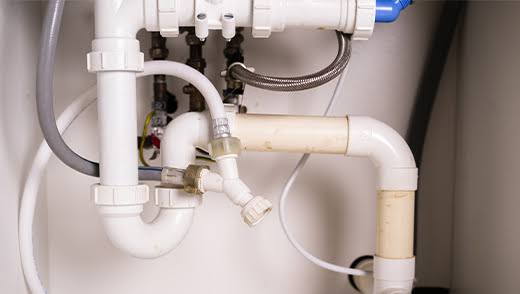
A P-trap does not need frequent replacement, but it can wear out over time. Replace it if the pipe is cracked, badly corroded, leaking after washer replacement, or damaged by overtightening.
Metal traps may corrode with age. Plastic traps may crack if handled roughly or exposed to stress. Washers can also harden and stop sealing properly.
If the trap leaks at the joint, try replacing the washer first. If the body of the trap is damaged, replace the full trap assembly. P-traps are usually affordable, and replacing a weak trap can prevent water damage.
When to Call a Plumber
Some P-trap problems are easy to handle, but others need professional help. Call a plumber if the clog remains after cleaning the trap, if water backs up into more than one fixture, or if the drain smells bad even after the trap is cleaned and refilled.
Also call a professional if the trap is under a shower, tub, or floor and is hard to access. Hidden traps are more difficult to repair because the surrounding floor or wall may be involved.
A plumber can also help if the issue is related to poor venting, incorrect trap installation, code violations, or an outdated S-trap. These problems need more than a simple cleaning.
Frequently Asked Questions About P Trap Plumbing
P trap plumbing is the curved pipe system installed below sinks, showers, tubs, and other drains. It holds standing water in the bend to block sewer gases and odors from entering the home.
A P-trap holds water to create a seal. This water seal acts like a barrier between the home and the sewer system. Wastewater can flow out, but sewer gases cannot easily flow back in.
For most homes, cleaning a P-trap every 6 to 12 months is a good rule. However, clean it sooner if the drain is slow, smells bad, gurgles, or clogs often.
A sewer smell may mean the P-trap is dry, dirty, leaking, cracked, or not vented correctly. First, run water for about 30 seconds. If the smell continues, clean the trap and check for leaks.
Many homeowners can replace an under-sink P-trap with basic tools and careful measurements. However, shower, tub, floor drain, or complicated trap problems may need a licensed plumber.
A P-trap connects to a horizontal drain and works with a vented plumbing system. An S-trap curves downward and can siphon water out of the trap, which may allow sewer gases into the home. Because of this, S-traps are not allowed in many modern plumbing systems.
Common P-trap materials include PVC, ABS, polypropylene, chrome-plated brass, stainless steel, brass, and copper. Plastic traps are affordable and corrosion-resistant, while metal traps are often used where the plumbing is visible.
A P-trap may leak because of loose slip nuts, worn washers, poor alignment, cracks, corrosion, or overtightening. Tighten the connections gently, replace worn washers, or replace the trap if it is damaged.
Yes, a P-trap can clog when hair, grease, soap scum, food scraps, or sediment collect in the bend. Cleaning the trap usually fixes small clogs. If the drain remains slow, the clog may be deeper in the drain line.
Most fixtures connected to a sanitary drain need a trap. This includes sinks, tubs, showers, laundry sinks, and many floor drains. The exact requirements depend on the fixture and local plumbing code.
Conclusion
P trap plumbing may be small, but it plays a major role in keeping a home clean, safe, and odor-free. The curved pipe under a sink, shower, tub, or drain holds water that blocks sewer gases from entering the home. At the same time, it catches debris, helps prevent deeper clogs, and gives access for simple drain cleaning.
A well-maintained P-trap can last for years. The best routine is simple: run water through unused drains, clean the trap every 6 to 12 months, check for leaks, avoid harsh chemicals, and fix small problems before they become expensive repairs.
When the trap is properly installed, vented, and maintained, it quietly protects the home every day. It is one of those plumbing parts that proves a small detail can make a big difference.