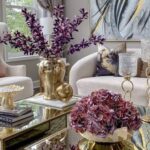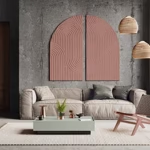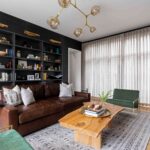

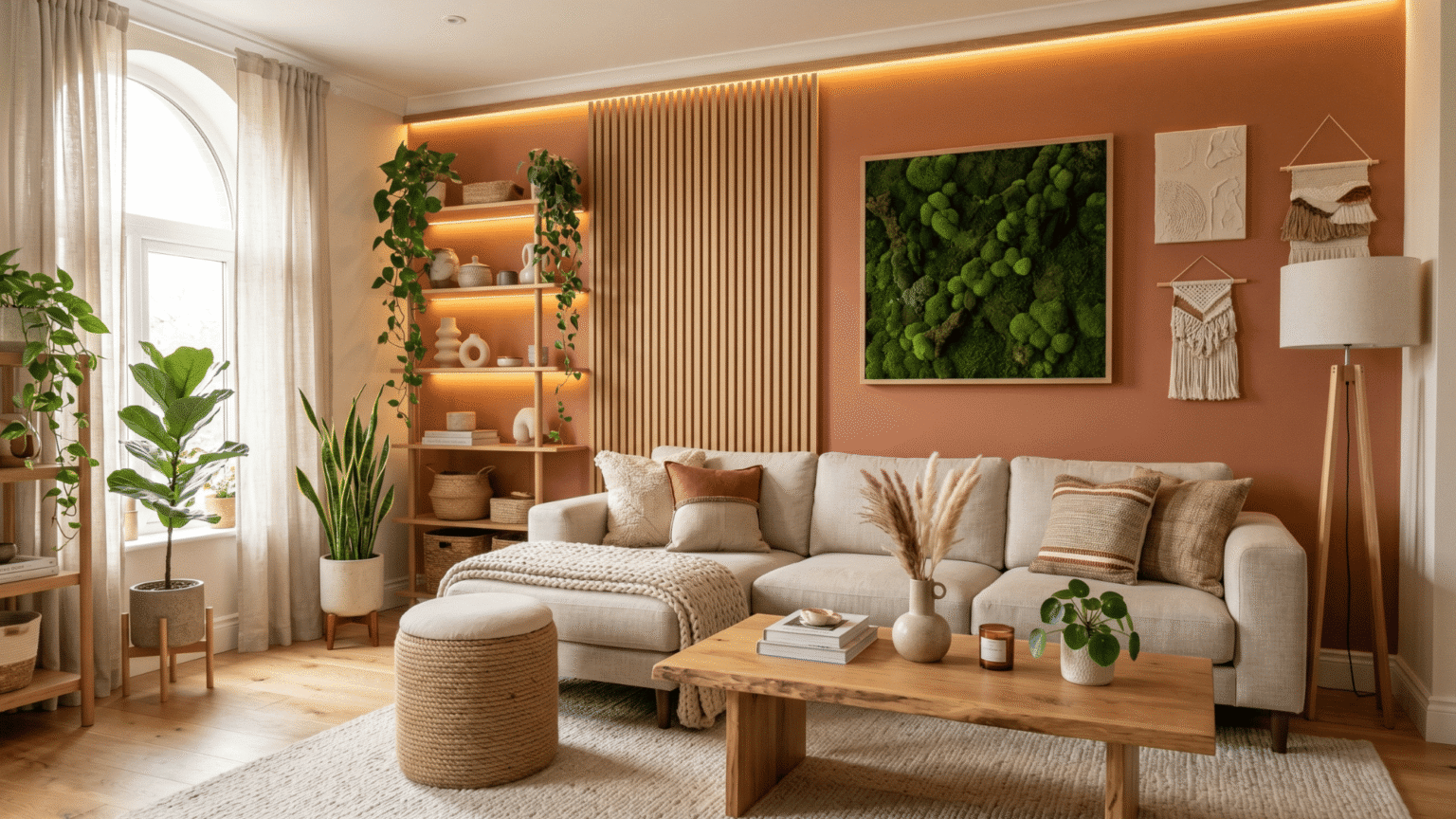
Home decor ideas thehometrotters is a helpful search topic for anyone who wants to create a stylish, cozy, modern and personal home without starting a full renovation. Many people want a home that looks beautiful, but they also need rooms that feel comfortable, organized and easy to live in every day. That is why this decor approach works so well. It combines simple design ideas, smart storage, warm textures, personal memories, travel-inspired details and practical room-by-room improvements.
The main idea is not to copy a perfect showroom. Instead, the goal is to build a home that tells your story. Your living room, bedroom, kitchen, bathroom, office and outdoor space should all support your lifestyle. A good home should help you relax, work, cook, sleep, welcome guests and enjoy small daily moments. With the right color palette, lighting, furniture, plants, artwork and storage, even a plain room can feel fresh and complete.
This guide explains the full TheHomeTrotters-style approach. It covers modern decor, cozy styling, travel-inspired design, budget ideas, small-space solutions, common mistakes and practical tips for every room.
Home decor ideas thehometrotters: What This Style Means
The phrase points to a style of home decoration that is warm, useful, personal and inspired by real life. It is not only about buying new furniture. It is about creating rooms that feel balanced, comfortable and meaningful.
TheHomeTrotters style often includes natural materials, soft furnishings, layered lighting, indoor plants, travel memories, wall art, simple organization and smart furniture. It can include modern, Scandinavian, Japandi, bohemian, Mediterranean, Moroccan, contemporary or farmhouse touches. However, the best version of this style does not mix everything randomly. It chooses a clear mood and builds the room around that mood.
For example, a living room may use a neutral sofa, a woven rug, soft cushions, a city print, a tall plant and warm lamps. A bedroom may use linen bedding, a calm coastal print, a textured throw and soft bedside lighting. A kitchen may feel better with wood accents, open shelves, herbs and updated cabinet handles. These are small changes, but together they can transform the whole home.
The key is balance. A room should never feel too empty, too crowded, too cold or too themed. It should feel collected, calm and easy to enjoy.
Why This Decor Approach Is Popular
This decor style is popular because it fits real homes. Most people do not have unlimited money, huge rooms or time for major remodeling. They need ideas that are simple, affordable and effective. TheHomeTrotters approach gives them exactly that.
It works because it focuses on both beauty and function. A room may look stylish, but if it has no storage, poor lighting or uncomfortable furniture, it will not work well. In the same way, a room may be practical, but if it has no warmth, color or personality, it may feel boring. Good design needs both sides.
Another reason this style is useful is that it grows slowly. You do not have to decorate the whole house in one weekend. You can start with one corner, one wall or one room. You can add a mirror, change curtains, paint a table, add cushions, buy a plant or frame travel photos. Over time, these small updates make the home feel more complete.
This style also gives you freedom. You can keep your home minimal or add colorful global accents. You can choose a calm neutral palette or a warmer earthy look. You can use new pieces, second-hand finds, handmade decor or souvenirs from your travels. The result should feel personal, not forced.
Start with a Simple Decorating Plan
Before buying anything, walk through your home and look at each room carefully. Ask what the room needs most. Does it feel dark? Is there clutter everywhere? Is the furniture too big? Are the walls empty? Does the room lack softness? Is there no clear color plan? These questions help you avoid random purchases.
A good decorating plan starts with purpose. Decide what you want the room to do. A living room may need to be cozy for family nights. A bedroom may need to feel calm. A home office may need better focus. A kitchen may need more warmth and storage. A balcony may need seating and lights.
After that, choose a mood. Some common moods include calm coastal, warm bohemian, clean modern, natural Japandi, travel-inspired, rustic farmhouse or simple Scandinavian. Once you know the mood, choose colors, textures and decor that support it.
You should also measure your room before buying furniture. This simple step can prevent expensive mistakes. A sofa, table, bed or cabinet that looks perfect online may be too large in real life. A good room needs walking space, clear pathways and furniture that fits the scale of the area.
Choose a Balanced Color Palette
Color can change the feeling of a room quickly. A useful method is the 60-30-10 rule. This means 60 percent of the room uses a main color, 30 percent uses a secondary color and 10 percent uses an accent color.
For example, your main color could be white, cream or light beige. Your secondary color could be warm gray, soft brown or olive green. Your accent color could be terracotta, navy, mustard, dusty pink or black. This method keeps the room from looking messy.
Neutral colors are a strong base because they are easy to update. White, cream, beige, gray and soft brown can make a room feel calm and timeless. Then you can add color through pillows, rugs, lamps, artwork, plants and small accessories.
Colors also affect mood. Blue often feels calm and peaceful. Green feels natural and fresh. Yellow feels cheerful and bright. White feels clean and open. Gray feels modern and polished. Terracotta feels warm and earthy. Jewel tones such as emerald, sapphire and deep red can feel rich and dramatic.
The best color palette depends on your home, natural light and personal taste. If a room is small or dark, lighter colors and mirrors can help. If a room is large and cold, warmer colors and textures can make it feel cozier.
Use Lighting to Change the Mood
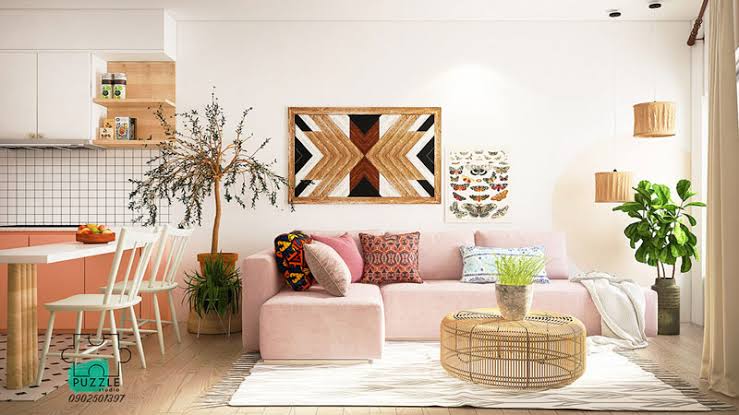
Lighting is one of the most important parts of home decor. Many rooms look unfinished because they rely only on one ceiling light. A better approach is layered lighting.
Use general lighting for the whole room, task lighting for work areas and accent lighting for mood. For example, a living room can have a ceiling light, a floor lamp, a table lamp and a small light near artwork. A bedroom can have soft bedside lamps. A kitchen can use under-cabinet lighting. A dining room can have a statement pendant above the table.
Warm light usually makes a home feel cozier. Cool light can work in task areas, but it may feel harsh in bedrooms and living rooms. Dimmable bulbs are useful because they let you change the mood during the day.
Natural light also matters. Use light curtains to let sunlight in. Place mirrors across from windows to reflect brightness. Keep heavy furniture away from windows when possible. A brighter room often feels larger, cleaner and more welcoming.
Add Texture for Warmth and Depth
A room can have the right furniture and colors but still feel flat. Texture solves this problem. Texture means the surface feeling of materials, such as soft, rough, woven, smooth, shiny or matte.
Use a mix of materials to add depth. You can combine wood, cotton, linen, wool, velvet, stone, metal, bamboo, rattan, glass and ceramic. For example, a modern sofa can feel warmer with linen cushions, a wool throw, a woven rug and a wooden coffee table.
Textures are especially useful in neutral rooms. If most of your room is white or beige, texture keeps it interesting. A cream room with a boucle chair, rattan basket, jute rug, cotton curtains and ceramic vase will feel layered instead of boring.
Patterns can also add energy. Moroccan prints, stripes, geometric rugs, embroidered cushions and floral details can work well. However, do not use too many strong patterns at once. Choose one main pattern and support it with simpler textures.
Living Room Decor Ideas
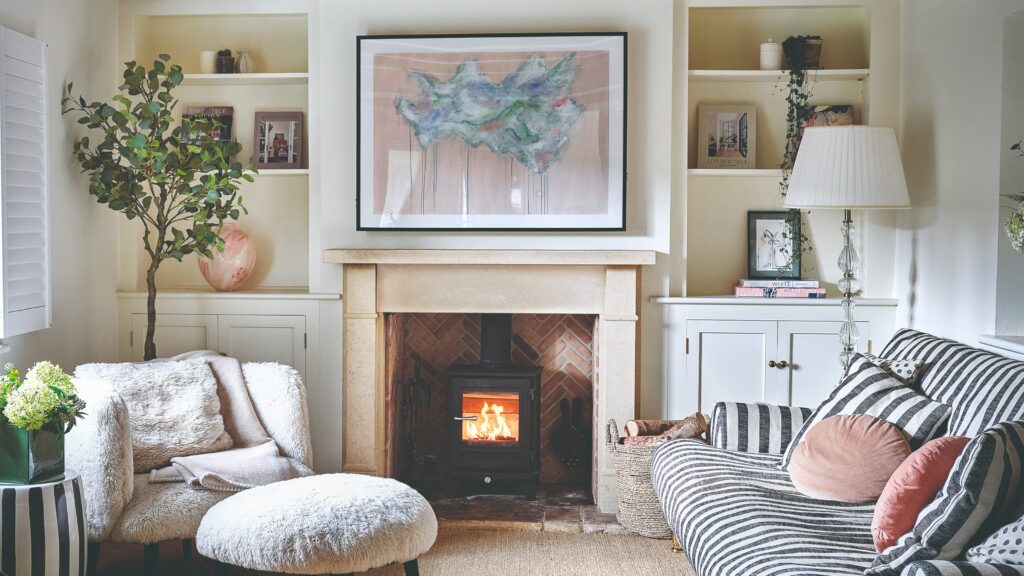
The living room is often the heart of the home, so it should feel comfortable and welcoming. Start with a focal point. This could be a fireplace, TV wall, large mirror, gallery wall, travel print, sofa or statement light.
Arrange furniture for conversation and comfort. Avoid pushing everything against the walls if the room allows another layout. A rug can help define the seating area. Make sure the front legs of the sofa and chairs touch the rug, if possible, because this makes the area feel connected.
Add soft furnishings such as cushions, throws and curtains. These pieces make the room feel warmer. Use different textures but repeat similar colors for balance.
Plants can make a living room feel fresh. A tall plant can fill an empty corner, while small plants can sit on shelves, tables or window ledges. If you do not have time for plant care, realistic artificial plants can still add softness.
Wall art is also important. A large city print, coastal scene, abstract painting or family photo wall can make the room feel finished. Travel-inspired artwork works especially well when it connects to places you love.
Bedroom Decor Ideas
The bedroom should feel calm, soft and restful. Start with the bed because it is the main feature. Choose comfortable bedding, supportive pillows and a throw blanket. Layering bedding makes the room look more complete.
A headboard can add style. It can be upholstered, wooden, rattan, painted or simple and modern. If you do not want to buy one, you can create interest with artwork above the bed or a painted accent wall.
Keep bedside tables simple. Use a lamp, one small decor item and a tray or drawer for personal items. Too much clutter near the bed can make the room feel stressful.
Soft lighting is very important. Bedside lamps, wall sconces or dimmable bulbs help create a relaxing mood. Avoid harsh lighting before sleep.
For a travel-inspired bedroom, choose one peaceful image, such as a beach, mountain, old city street or calm landscape. Add a textured throw, embroidered cushion or woven rug. Keep the colors soft so the bedroom remains restful.
Kitchen Decor Ideas
A kitchen can look fresh without a full renovation. Small changes can make a big difference. Change cabinet handles, add a backsplash, use open shelves, display wooden boards or add small plants.
Open shelving can look beautiful when styled carefully. Use plates, bowls, jars, mugs, cookbooks and plants. Keep the colors controlled so the shelves do not look crowded.
Natural materials work well in kitchens. Wood, bamboo, stone, cotton and ceramic add warmth. A wooden tray, ceramic bowl, linen towel or small herb garden can make the space feel more inviting.
Lighting is also important in the kitchen. Under-cabinet lights help with cooking. Pendant lights above an island or dining area add style. Warm bulbs can make the kitchen feel less cold.
If your kitchen is small, use wall storage, hooks, magnetic strips and drawer organizers. Clear counters make the whole room look cleaner.
Dining Room Decor Ideas
The dining room should feel warm and ready for conversation. Start with the right table and chairs. The table should fit the room, and the chairs should be comfortable enough for long meals.
A centerpiece can create a finished look. It can be a vase, bowl, candle group, tray, fruit display or seasonal greenery. Keep it low enough so people can talk across the table.
Lighting above the table is important. A pendant light, chandelier or simple hanging lamp can define the dining area. Choose a size that matches the table.
Wall decor adds personality. Use a mirror to reflect light, framed artwork, travel photography or a small gallery wall. Mediterranean details such as blue-and-white ceramics, rattan chairs, terracotta pieces and coastal prints can make the dining room feel relaxed and stylish.
Bathroom Decor Ideas
Bathrooms are often small, but they can still feel beautiful. Start with organization. Use trays, baskets, jars, drawer dividers and floating shelves. When products are organized, the bathroom instantly looks better.
A large mirror can make a bathroom feel bigger and brighter. Good lighting near the mirror is also important. If possible, use warm but clear lighting.
Soft towels, a bath mat, candles, plants and simple artwork can create a spa-like mood. Choose matching colors so the room feels calm. White towels feel clean and classic, while beige, gray, sage or soft blue can add warmth.
Natural materials such as wood, stone, cotton and ceramic work well in bathrooms. A small wooden stool, ceramic soap dish or woven basket can soften the space.
Home Office Decor Ideas
A home office should help you focus. Start with an ergonomic chair, a desk at the right height and good lighting. Natural light is ideal, but a desk lamp is useful for cloudy days and evening work.
Storage is important. Use shelves, filing boxes, baskets, cable organizers and drawers. A clear desk can help your mind feel clearer too.
Add personal touches, but do not overdecorate. A plant, framed quote, travel print, globe, books or small ceramic piece can make the office feel inspiring. Too many items may become distracting.
For a travel-inspired office, use city prints, maps, travel books and souvenirs from meaningful places. Keep the color palette simple so the workspace still feels calm and professional.
Outdoor Decor Ideas
Outdoor spaces can become extra living areas. Even a small balcony can feel special with the right decor. Start with comfortable seating. Add cushions, a small table, plants and lighting.
String lights, lanterns and solar lights can create a warm evening mood. Outdoor rugs help define the area and make it feel more like a room.
Plants are essential outdoors. Use pots, hanging planters, raised beds or vertical plant stands. Choose plants that fit your weather and sunlight.
For a small balcony, keep the design simple. One chair, one small table, a plant and a lantern may be enough. For a larger patio, you can create zones for dining, relaxing and entertaining.
Travel-Inspired Decor Ideas
Travel-inspired decor is one of the most personal parts of this style. It allows your home to show where you have been, what you love and what memories matter to you.
Start with wall art. Use city photos, coastal scenes, architecture prints, maps, vintage travel posters or your own travel pictures. A gallery wall can become a strong focal point.
Souvenirs should be displayed with care. Instead of placing random objects all over the house, group them by destination, material or color. A shelf with a ceramic bowl, travel book, framed photo and small sculpture can look intentional.
Mediterranean style can include linen, cotton, rattan, wicker, blue-and-white ceramics, terracotta and coastal artwork. Moroccan style can include lanterns, embroidered cushions, woven rugs, geometric patterns, decorative mirrors and jewel tones.
The rule is simple: do not use too many cultural influences in one room. Choose one or two main directions and keep the rest of the room calm.
Small-Space Decor Ideas
Small homes need smart planning. Use furniture that does more than one job. Storage ottomans, sofa beds, foldable tables, wall-mounted desks and beds with drawers are very useful.
Vertical storage saves floor space. Use shelves, hooks, tall cabinets and wall organizers. A room feels larger when the floor is clear.
Mirrors can make small rooms feel brighter and more open. Place mirrors near windows or across from light sources. Light colors also help create a more spacious feeling.
Avoid oversized furniture. Choose pieces that match the room size. Furniture with visible legs can help because it shows more floor and makes the room feel lighter.
Decluttering is also part of decorating. A small room can look stylish when it has fewer, better-chosen pieces.
Budget-Friendly Decor Ideas
You do not need a large budget to improve your home. Rearranging furniture is free and often makes a big difference. Try moving your sofa, changing the bed position or creating a reading corner near a window.
DIY decor can also work well. Frame postcards, fabric, pressed leaves or travel photos. Paint old furniture. Change drawer handles. Make a simple centerpiece with candles, books or flowers.
Second-hand shopping is a smart option. You can find mirrors, lamps, frames, side tables, baskets, chairs and artwork at lower prices. Older pieces can add character when mixed with modern decor.
Small updates also help. New cushions, curtains, bedding, towels, rugs, lampshades and plant pots can refresh a room quickly. Choose items that match your color plan so everything feels connected.
Smart Storage and Organization
Organization is not separate from decor. It is part of decor. A beautiful room will not feel calm if everything is messy.
Use baskets for blankets, toys, magazines and daily items. Use trays on coffee tables, bathroom counters and kitchen surfaces. Use shelves to display books and decor. Use drawer organizers for hidden storage.
Multi-purpose furniture is helpful in busy homes. A bench with storage, a bed with drawers, a coffee table with shelves or an ottoman with hidden space can reduce clutter.
Try to give every item a home. When things have a place, cleaning becomes easier. The room also looks more peaceful.
Popular Styles That Work with This Look
Several decor styles work well with TheHomeTrotters-inspired interiors. Scandinavian style brings simplicity, light colors and useful furniture. Japandi style adds calm, natural materials and clean lines. Bohemian style adds texture, plants, patterns and a relaxed mood.
Modern farmhouse style brings warmth through wood, simple colors and rustic details. Contemporary style feels polished and current. Minimalist style keeps the home clean and uncluttered. Mediterranean style adds sun, ceramics, linen, terracotta and coastal colors. Moroccan style adds pattern, lanterns and rich textures.
You do not have to choose only one style, but you should avoid mixing too many at once. A room feels better when the design has a clear direction.
Common Mistakes to Avoid
One common mistake is overcrowding rooms. Too many accessories, colors or furniture pieces can make a space feel stressful. Leave some empty space so the room can breathe.
Another mistake is ignoring lighting. Even expensive furniture can look dull under bad lighting. Add lamps, accent lights and natural light wherever possible.
Many people buy furniture that is too large. Always measure before buying. A room needs clear walking paths and comfortable spacing.
Hanging artwork too high is also common. Art usually looks better when the center is close to eye level. Above a sofa or bed, the artwork should feel connected to the furniture.
Following trends blindly can also hurt your decor. Trends are useful for inspiration, but your home should match your life. Choose pieces you truly like and can live with for years.
Image Ideas and Alt Text Suggestions
Images can make this article more useful for readers. You can add a living room photo with layered lighting, a cozy bedroom with linen bedding, a kitchen with wood accents, a small-space storage example, a travel gallery wall and a balcony with plants.
Use simple and natural alt text. For example, “cozy living room with plants and warm lighting,” “modern bedroom with soft bedding and wall art,” “small kitchen with open shelves and wood accents,” or “travel gallery wall with framed city photos.” Avoid stuffing keywords into every image alt text because that can look unnatural.
FAQs About home decor ideas thehometrotters
It means creating a home that feels cozy, stylish, organized and personal. The style often includes natural materials, soft lighting, plants, wall art, travel memories, smart storage and practical furniture.
Start with one room. Decide what the room needs most, such as better lighting, less clutter, more storage or a clearer color palette. Then add simple updates like cushions, curtains, plants, rugs, mirrors and artwork.
Use layered lighting, soft rugs, cushions, throws, curtains and plants. Add a focal point such as a mirror, artwork or gallery wall. Warm textures like wood, linen, wool and rattan can make the room feel more inviting.
Use light colors, mirrors, vertical storage and multi-purpose furniture. Choose furniture that fits the room size. Keep the floor clear and avoid too many accessories.
Rearrange furniture, paint old pieces, change cabinet handles, frame travel photos, buy second-hand mirrors or lamps, add plants, update cushions and use baskets for storage. These small changes can make a big impact.
Use framed travel photos, city prints, maps, vintage posters, souvenirs, ceramics, woven baskets and travel books. Group items carefully so they look curated instead of cluttered.
Warm neutrals like cream, beige, soft gray and light brown work well. You can add accents such as terracotta, olive green, navy blue, mustard, dusty pink or black. The 60-30-10 rule helps keep the colors balanced.
Avoid overcrowding rooms, using too many colors, ignoring lighting, buying furniture that is too large, hanging art too high and following trends that do not fit your lifestyle.
Conclusion
A stylish home does not need to be expensive or complicated. The best rooms are comfortable, useful and personal. They support daily life while also showing your taste, memories and creativity.
TheHomeTrotters approach brings together many useful ideas: warm lighting, natural textures, smart storage, plants, color balance, wall art, travel memories, multi-purpose furniture and budget-friendly updates. It works for large houses, small apartments, rental homes, family spaces and home offices.
If you want to begin, start with one room. Remove clutter, choose a color palette, improve lighting and add one or two personal details. Then build slowly. Over time, small changes can make your home feel more beautiful, cozy and meaningful.
In the end, home decor ideas thehometrotters is really about creating a home that feels like you. It should not only look good in photos. It should make everyday life easier, warmer and more enjoyable.